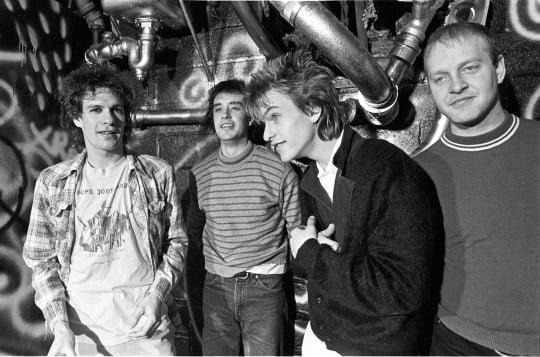
There are bands that come on the scene that you hear about or passively listen to, and then there are bands that become part of your bloodstream for no other reason than the music just gets you. The Replacements were clearly the latter. They were a beautiful wreck of a band that stumbled their way into greatness, while taking every opportunity to leave behind a trail of noise, heartbreak, and songs that still feel like they were written for the kid you used to be.
Loving The Replacements is to perfectly love imperfection. It’s like loving the way a cracked voice tells the truth better than a clear, polished tone. Every song reminds you of being lost, young, and stuck in a world that didn’t always know how to welcome you. For those who embraced The Replacements, they were the bridge between the bruised and hopeful.
Long before Minneapolis became “Music City”, it was just harsh winters, warm basements, and a place where kids had to make their own noise because there was no one else to do it for them. Minneapolis was a Mid-West tundra, quietly existing on the surface, hiding an underground swell of a thousand hearts beating against the cold, attempting to create a scene that felt like fire. The Replacements weren’t born from a scene; they helped create one.
Minnesota in the early 1980s was a melting pot of misfits, young punk kids, and dreamers. You couldn’t find a record label scout, there were no nationally identifiable glossy concert venues, and no promises. Instead, it was a sea of cheap beer, shared sound equipment, and a belief that music could be a way out, or stubbornly at least a way to get by. This was a time when a basement jam session could make you feel like you were in a cathedral, and three chords could become truth.
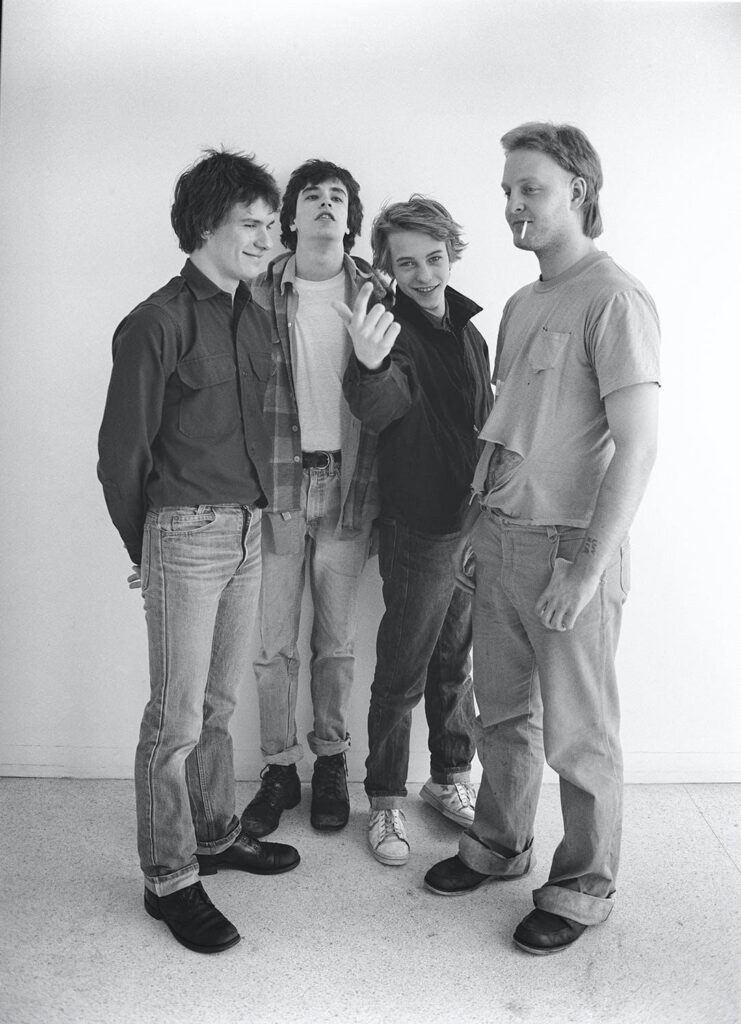
Into that world four local misfits stumbled: Paul Westerberg, Bob and Tommy Stinson, and Chris Mars. Westerberg was a janitor when he first heard the Stinson brothers rehearsing in their basement. Even then, Bob’s wild guitar, Mars’ steady rhythm, and the teenage bravado of Tommy equaled something raw and chaotic, which pulled Westerberg in like gravity. He knocked on the door, and the story of The Replacements began.
But that’s the thing about The Replacements, their legend always feels like it was written by fate and edited by chaos.
From the very beginning, The Replacements were never meant to be clean and tidy. They were every contradiction in motion. They were the band that could play the most transcendent song you’d ever heard but then unravel and derail an entire set. They weren’t polished or disciplined and weren’t even sober half the time. They were something better. Together they were a beautiful mess, the kind you recognized because you had experienced it in your own life. Everything about them was spelled out in unfiltered, raw honesty that cut right through the noise of the early 80s. They, along with Minneapolis punk legends Hüsker Dü, defined a sound that was not only chaos, but a tenderness punk rarely allowed itself to show at that time.
The Replacements were famous for their ability to turn a show into a train wreck, treating fans to half-finished songs, drunken sets, and cover songs spawned out of boredom or spite, depending on the night.
Westerberg wrote lyrics like someone who had lived a hundred lives before he turned 25. He had a way of tapping into loneliness, self-sabotage, and the refusal to die. His songs were a strange combination of confessions and invitations to everyone, whether you were a longtime fan or a kid smoking outside the venue because you didn’t have anywhere else to stand. They were a band that convinced you that you weren’t alone in your confusion, your dreams, or your anger. left
Songs like “Unsatisfied,” “Sixteen Blue,” and “Here Comes a Regular” weren’t just songs; they became emotional landmarks that you could always return to when life got heavy, and you needed to remember who you were. They became postcards from the edge of understanding what it was to become an adult, and were mailed to anyone who ever felt like they were standing on the outside looking in. Like all of us, they were just a band held together by heart and duct tape. The most beautiful thing about The Replacements is that their legend always feels like it was written by fate and edited by chaos, and it is legendary.
Minneapolis sparked a shockwave during the early 80s, and it didn’t just shape The Replacements; The Replacements reshaped Minneapolis. They turned a conservative Mid-West city into a beacon for anyone who felt restless and raw. The Minneapolis scene proved that music that resonates didn’t need a coastal zip code, a Sunset Strip, or the Big Apple. The punk movement of the early 1980s was built on a DIY spirit, and the Minneapolis music scene became a place where you didn’t just survive long cold winters, you thrived because of them. And they did.
Their influence spread and can be heard all throughout bands hailing from the 80s and 90s. You can hear their vulnerability in every Nirvana song, the authenticity that followed with Soul Asylum, The Hold Steady’s storytelling, and in every band that ever tried to balance swagger with self-doubt. They were living proof that being vulnerable could still be loud, messy, and distorted. They became poets without being pretentious, emotional without being soft, and reckless without emptiness.
Every Replacements story feels like a fiction being told at last call; half-truth, half myth, but all heart. These were young musicians who weren’t about ego or excess, but about humanity and all its flaws. Young adults who didn’t fully understand their talents, how to handle their pain, or how to handle success when it came knocking. They were banned from Saturday Night Live, creating a live show environment where there were no rules, drunken antics, and episodes where the band would go on without Bob Stinson on guitar because he was fulfilling his preshow pinball ritual. Through all of that, they left a body of work that’s equal parts chaos and charm. Like a mixtape that has been rewound and replayed until the tape warps. They became a legendary tale that was more like a diary with thousands of authors.
Bob Stinson’s tragic brilliance. Tommy’s teenage resilience. Mars’ quiet steadiness. Westerberg’s aching poetry. The Replacements were the epitome of family. Sometimes dysfunctional, always combustible, but loyal, and not only did we see ourselves in them then, but we still do.
The Replacements endure because they remind us of something we forget as we get older, that it’s okay to be a mess. We don’t always have the answers, and that’s okay. They have taught us that sometimes the most honest thing we can do is show up, plug in, and try.
Their music is a time machine to a feeling. It carries the ache of growing up, the stings of regret, and the thrill of what’s possible. It hid the insecurity of being young, unsure, and full of dreams you didn’t know how to carry. When The Replacements played, you could be carrying the weight of feeling like the world was about to break you, but the right song could put you back together for three minutes.
There’s a personal part that belongs to all of us. Everyone who loves The Replacements has a story, a moment, or a memory stitched to a song.
Maybe it was the first time you heard “Left of the Dial” and felt like someone finally understood what it meant to be out of place but still burning bright. Maybe it was a late-night drive with “Here Comes a Regular” echoing through the speakers, making you think about the people you’ve lost and the person you’re still trying to become. Maybe it was the realization that a band could be both a disaster and a revelation, and that maybe you could be, too.
For me, and so many of us, The Replacements are a good reminder that music doesn’t have to save your life to matter. Sometimes you just need it to be something that says, “I’ve been there too”. And sometimes, that’s enough.
If you’re looking for a Replacements must listen to starter pack.
1. “Unsatisfied” — Let It Be (1984)
If you had to explain The Replacements with one song, this is it. A raw nerve set to music, yearning, restless, and beautifully unfinished. It’s the sound of every kid who ever felt like life was happening somewhere else.
2. “Left of the Dial” — Tim (1985)
A love letter to college radio and the feeling of being young, broke, and burning bright. It’s the anthem for anyone who ever tried to find themselves through the static of late-night frequencies.
3. “Here Comes a Regular” — Tim (1985)
Westerberg is at his lyrically most devastating. A barstool biography for the lonely, the lost, and the ones who never quite made it home.
4. “Alex Chilton” — Pleased to Meet Me (1987)
Their most infectious track. A tribute to the band Big Star’s frontman, and a celebration of loving music so much that it becomes part of your identity.
5. “Bastards of Young” — Tim (1985)
A rallying cry for the overlooked and underestimated. It’s a proud cry that “we don’t belong anywhere, so we’ll belong to each other”.
6. “I Will Dare” — Let It Be (1984)
The closest thing they ever made to a pop song.
7. “Can’t Hardly Wait” — Pleased to Meet Me (1987)
A bittersweet, late-night drive classic. It’s hopeful and heartbroken at the same time.
8. “Sixteen Blue” — Let It Be (1984)
A masterpiece about teenage confusion and the ache of becoming yourself.
9. “Androgynous” — Let It Be (1984)
A way ahead of its time, a compassionate song about identity, acceptance, and love without labels.
10. “Answering Machine” — Let It Be (1984) It’s the sound of reaching out and not knowing if anyone will reach back.
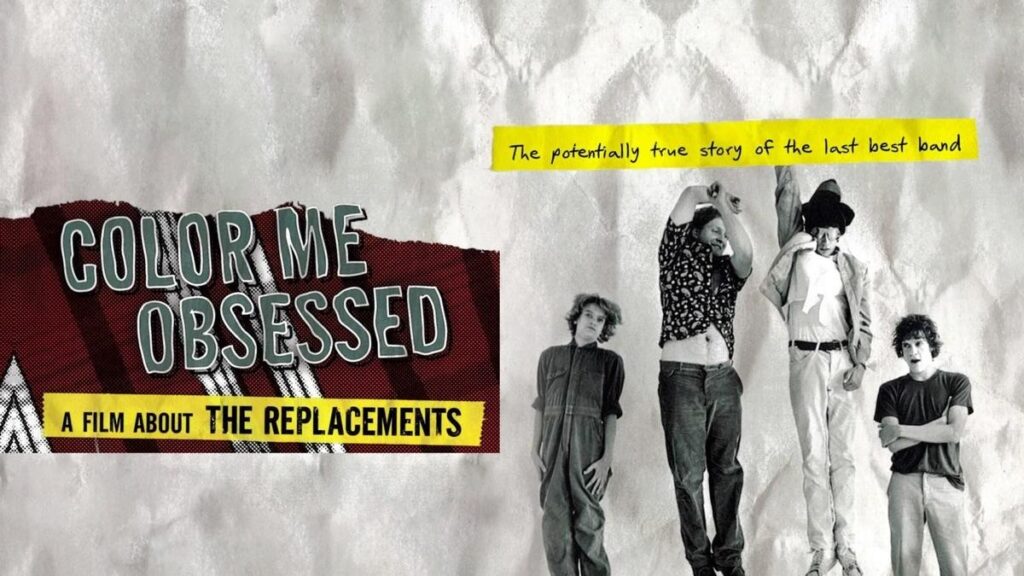
And for honorable mention check out the documentary: Color Me Obsessed on Tubi, Pluto TV, and Kanopy
I’m Music Magazine Music Journalist Jon Faia
Connect with The Replacements online:
https://www.facebook.com/TheReplacements
https://www.instagram.com/thereplacements/
https://x.com/thereplacements?lang=en
https://thereplacementsofficial.com/?srsltid=AfmBOorccrauUtLO1GVw5LSNjd_p4PuG9
2x87PJ3i0QvJd0d-Jbi2L_M