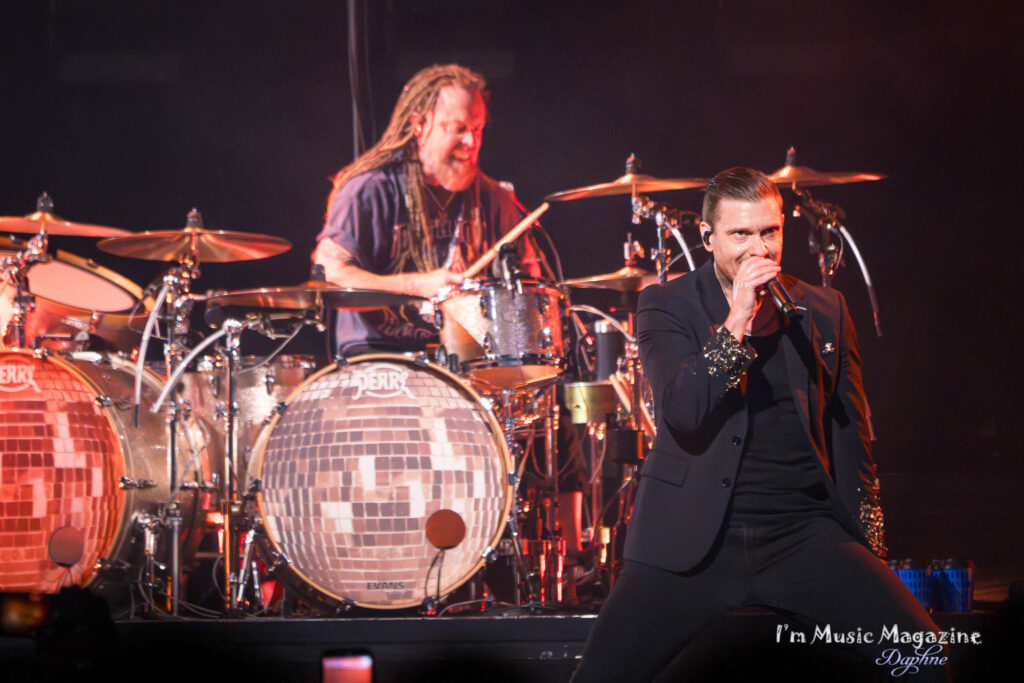
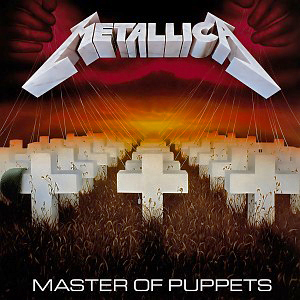
Before the polish of global stardom and the weight of legendary status, Metallica was a band forged in the fires of the burgeoning underground. Eventually rising from the garage In the hallow and high decibel halls of heavy metal history, few artifacts possess the cataclysmic, and classic staying power of Metallica’s 1986 masterpiece, Master of Puppets. As the world marks the 40th anniversary of this seminal sonic sermon, we find ourselves peering back through the prism of time at a moment when four young, hungry, and hell-bent musicians from California changed the trajectory of heavy music forever.

grime to global greatness. Formed in 1981 by the determined duo of Lars Ulrich and James Hetfield, the band began as a frantic, fumbling force of nature, practicing in the cramped, concrete confines of a California garage.
Their debut, Kill ’Em All (1983), was a snarling, speed-fueled manifesto. Nothing short of a sonic assault that acted as a declaration of war against the sanitized, hair-sprayed glam rock of the era. It was raw, reckless, and let us not revelatory. Blending the blistering pace of hardcore punk with the bruising, bone crushing intensity of heavy metal.
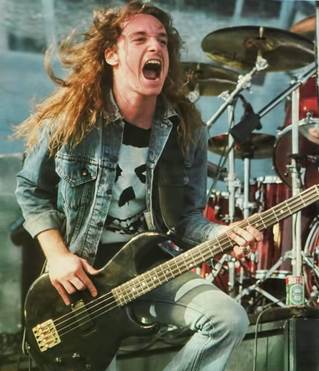
But the Metallica of 1983 was only the caterpillar; the metamorphosis was yet to come. By Ride the Lightning (1984), the band began to broaden their musical borders. They introduced nuanced melodies, atmospheric balladry, and a dark, brooding complexity that transformed them from underground outliers into architects of a new metal reality. The arrival of the classically trained, brilliantly bohemian Cliff Burton provided the final piece of the puzzle, infusing their compositions with a symphonic sensitivity that elevated the music beyond the primitive, pounding rage of their peers.
Metallica wasn’t merely part of a scene; they were the seismic shift that shattered it. They functioned as the undisputed heavyweight champions, a band that possessed an “us against the world” mentality that bonded a generation of disenfranchised musicians. By signing to a major label and maintaining their integrity, releasing Master of Puppets without the aid of radio airplay or music videos during the height of the MTV era they proved that a band could be massive without being molded.
They kicked down the doors of the mainstream, creating a path for bands like Anthrax, Megadeth, and Slayer, ushering in a thrash revolution. While the genre was nascent, Metallica acted as a connective thread sharing stages, secrets, and the visceral, volcanic energy of the underground. They took a scene that had been relegated to small, sweaty clubs and broadcast it to the world, proving that thrash wasn’t just a niche, but a new, necessary language of rebellion.
Released in 1986, Master of Puppets arrived like a lightning bolt in the landscape of heavy music. It was a record of precise, pained, and powerful poetry. Lyrically, it was a grim, and a gripping exploration of control. The title track, “Master of Puppets” proved to be a haunting eight-minute epic, standing as a cautionary chronicle of addiction. Revealing a landscape where the needle acts as the puppet master and the human soul is reduced to a helpless, hollow marionette.
With songs tackling the battlefield hell of “Disposable Heroes” and the broken, bleak ruminations of an asylum patient in “Welcome Home (Sanitarium),” the album carried a thematic gravity that was as heavy as its riffs. It was a record that demanded to be felt as much as it was heard. The album became a testament to a band at the peak of their creativity, and calculated power.
The 40th anniversary of Master of Puppets is inevitably shadowed by the tragic death of Cliff Burton, whose life was extinguished in a bus accident in Sweden just months after the album’s release. The record stands as his greatest, most enduring mythology. The loss of Burton cemented a legacy written in stone. His visionary, vibrant, and volatile spirit continues to be felt today.
Four decades later, the album’s reach remains relentless. It’s defied the decay of time, finding new generations of acolytes who recognize its brilliance as a bedrock of musical muscle. It remains the benchmark. The perfect, polished, and powerful prototype for every thrash band that dared to dream of something greater. As the needle drops on the 40th anniversary of this dark, and dazzling work, one truth resonates with deafening clarity: the puppets may dance, but the music of Master of Puppets will never cease to command the stage.
We’re honoring the anniversary of the album that set the standard for thrash metal and has never been eclipsed. So, as we stand at the edge of the 40th anniversary of Master of Puppets, listening to the eternal echo of riffs that once shook the underground awake, we’re reminded that it’s more than an album, it’s a monument. Four young men who carved their names into the bedrock of heavy music with nothing but hunger, heart, and the fire of a world they refused to bow to. Time may weather stages, and dim the eras long gone, but this record remains untouchable. Master of Puppets is a cathedral of sound still commanding devotion from every generation that discovers it. On its anniversary one truth rises like smoke from the wreckage, thrash may evolve, scenes may shift, legends may fall, but Master of Puppets still stands at the summit, unbroken, unbent, and forever pulling the strings of metal’s beating heart.
I’m Music Magazine Music Journalist Jon Faia
For more Metallica, you can find them here:
YouTube
https://www.youtube.com/@metallica
https://www.instagram.com/metallica
https://www.facebook.com/Metallica
X (formerly Twitter)
TikTok
Official Site
Merchandise