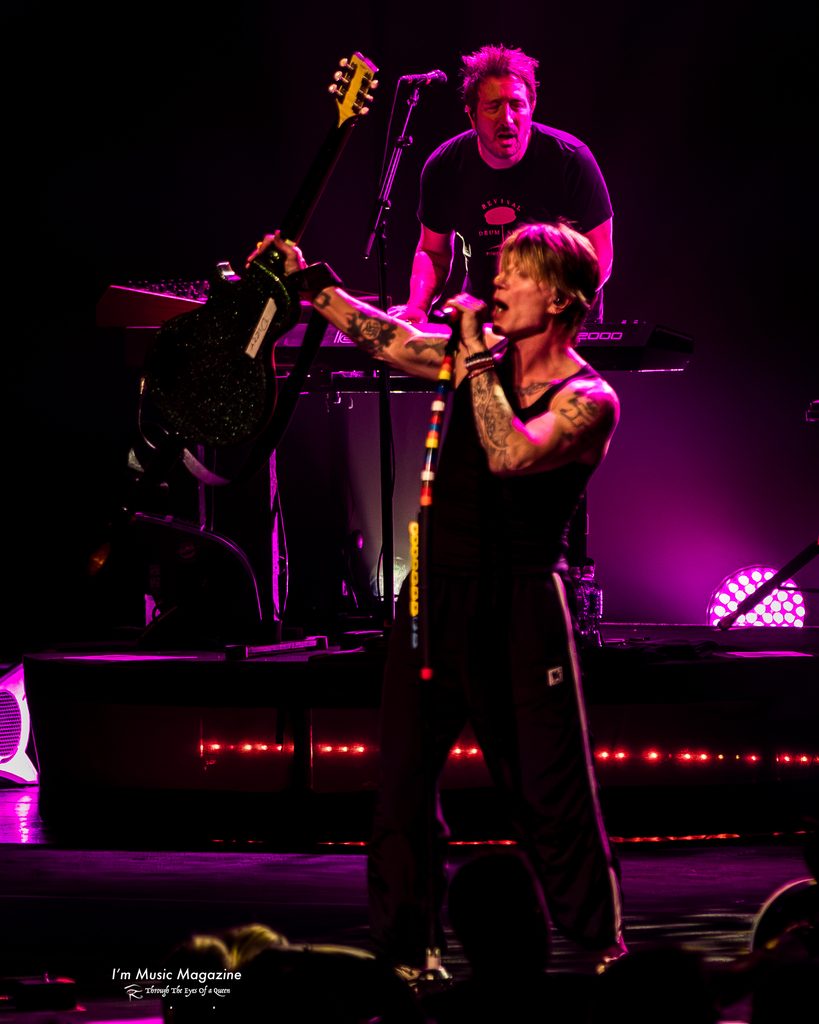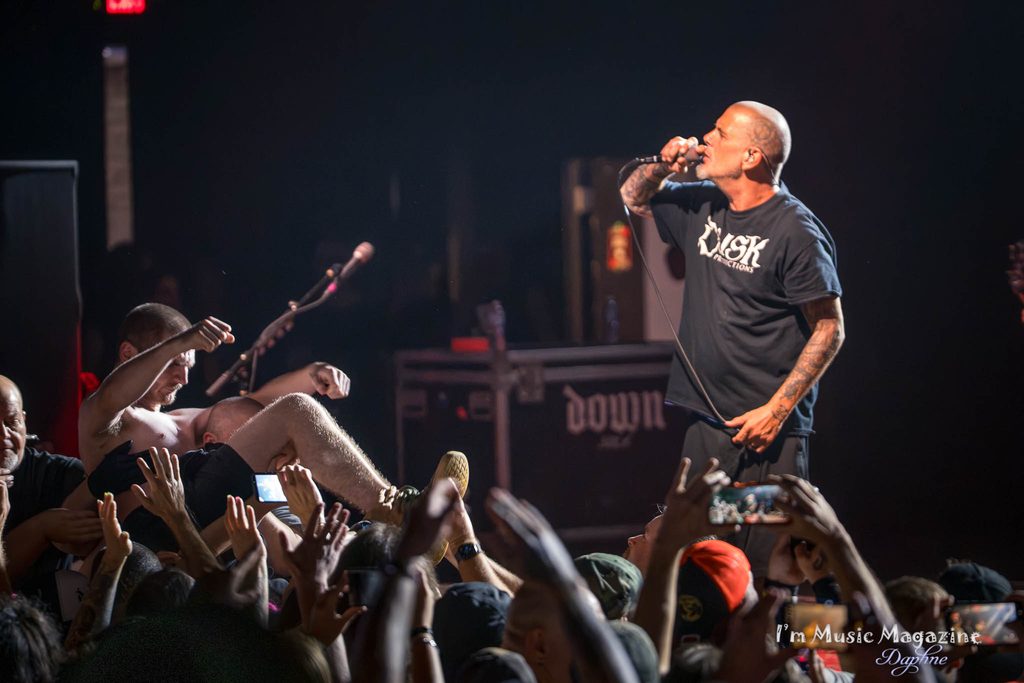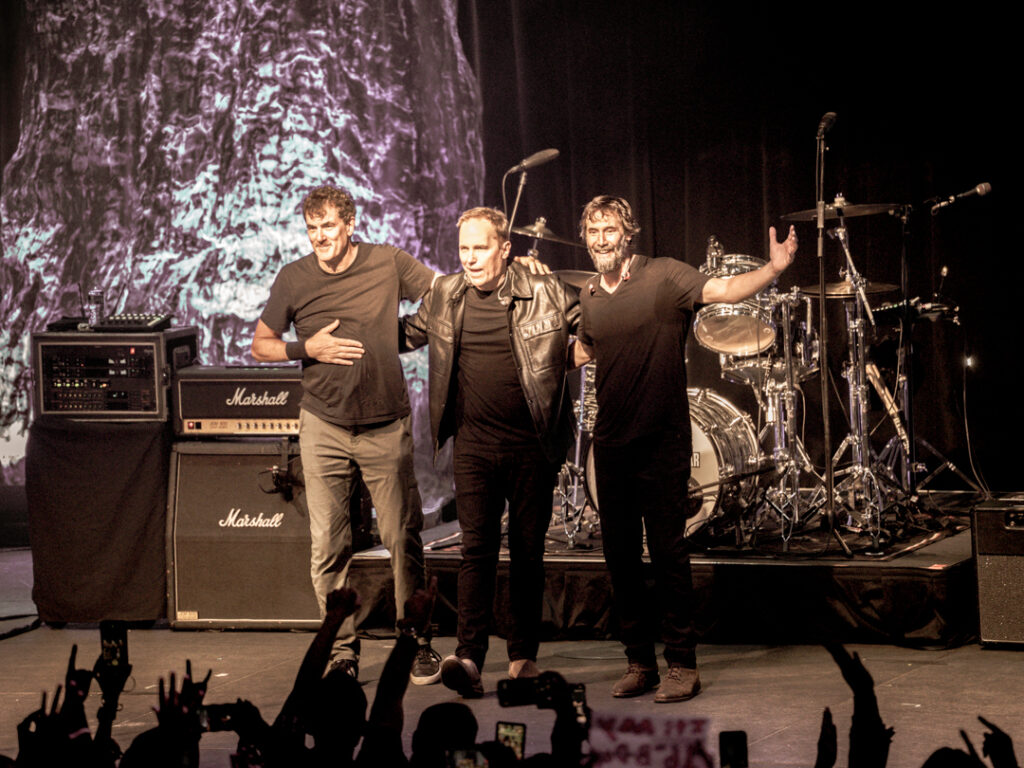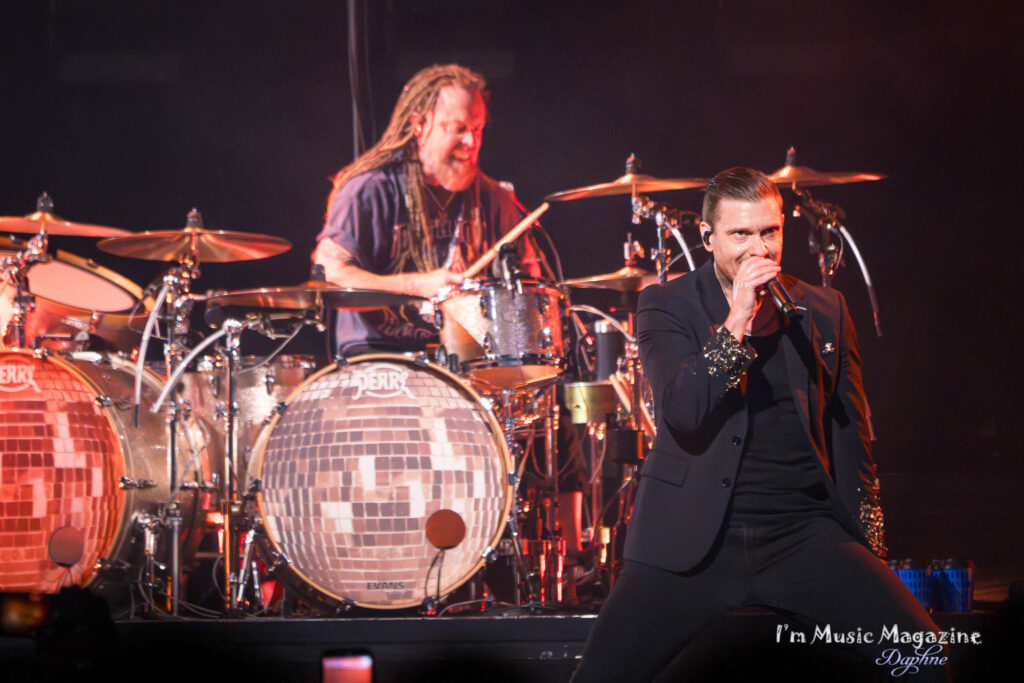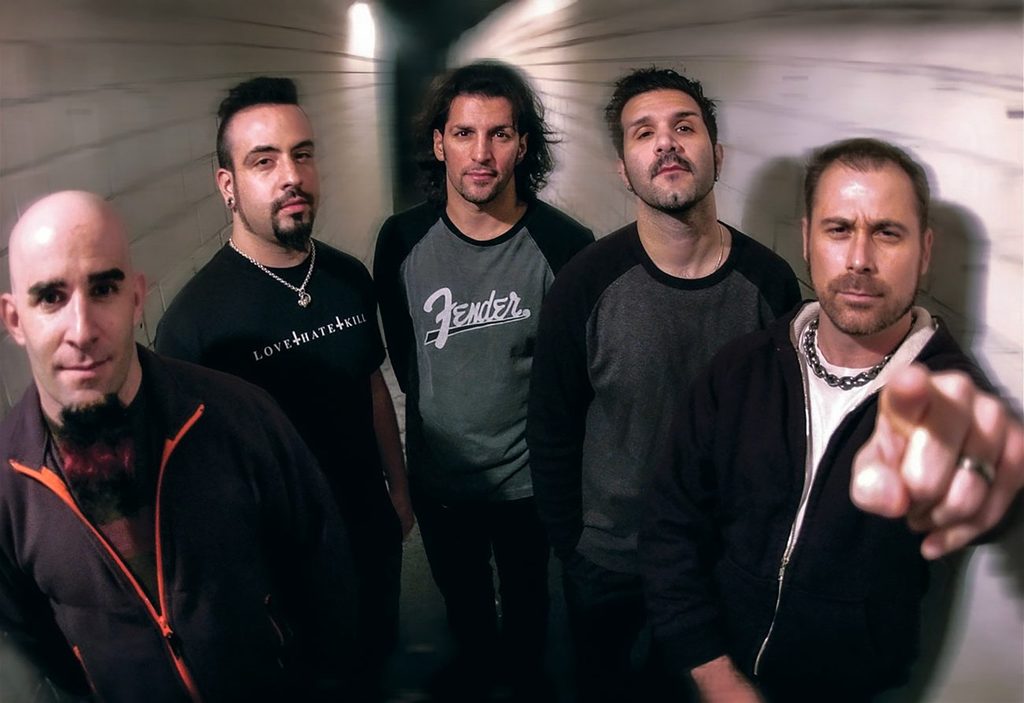
In the heavy metal pantheon, transitions rarely happen quietly. When a foundational music institution reshuffles its voice, it’s often treated less like a creative evolution and more like an act of sacrilege. Yet, buried beneath the dust of 1990s musical landscape upheaval lies one of the most creatively potent and deeply human chapters in the history of American rock music: the decade Anthrax spent fronted by John Bush.
It was a time period that traded thrash velocity for atmospheric, unvarnished grit. It was the era where standard heavy metal shed its theatrics and learned to bleed in real time.
To truly understand the weight of the Bush era, we first have to look at the landscape that spawned it. By 1992, Anthrax had already cemented themselves as the standard of East Coast thrash. Side-by-side with Metallica, Slayer, and Megadeth, the New York quintet brought frantic, streetwise energy to metal. Joey Belladonna’s soaring tenor punctuated the Anthrax sound. But as the nineties dawned, the cultural tide turned dramatically. The hair-spray hedonism of L. A’s Sunset Strip became cartoonish grandiosity, and the previous decade evaporated. A generation of young people feeling bruised and longing for introspection found a kinship in a musical revolution from the streets of Seattle; it was the birth of grunge and alternative rock. Thrash needed a new vocabulary, a voice that sounded like gravel and rain.
Enter John Bush.
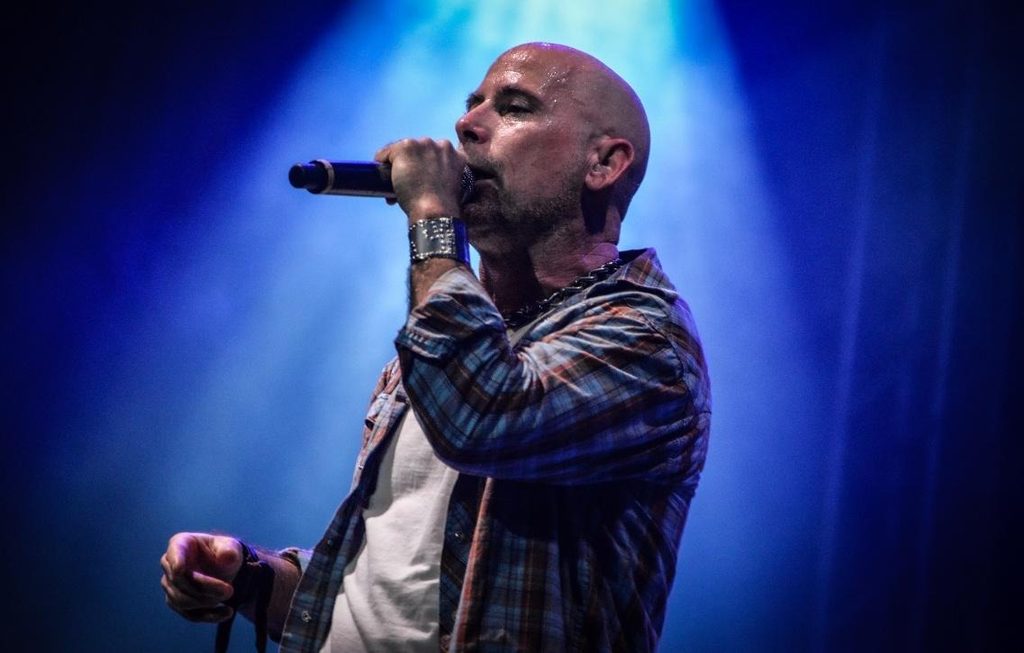
Bush was already heavy metal royalty, having fronted local Los Angeles stalwarts Armored Saint with a throat full of soulful blues thunder. Years earlier, Metallica had famously begged Bush to join their efforts to become kings of the thrash scene before James Hetfield took total command of the microphone. He possessed a voice forged in hard rock’s primal fire. He was melodic yet rasping. Emotional yet unyielding, carrying the weight of a barroom singer sculpting the armor of a metal frontman.
When Anthrax parted ways with Belladonna in 1992, their gaze fell instantly upon Bush. What followed was not merely a band substitution, but a total aesthetic rebirth. They were two paths converging in the dust of what could have been a goodbye.
The collaboration burst into reality with 1993’s Sound of White Noise. The album was produced by Dave Jerden (fresh off his landmark work with Alice in Chains and Jane’s Addiction). The album was a declaration of intent. Armed with rhythmic precision, anchored by Scott Ian’s relentless right arm and Charlie Benante’s unmatched drum work, the band found the perfect structural counterweight in Bush’s voice.
Energy shifted immediately. The album’s lead single, “Only” became the track James Hetfield famously praised as “the perfect song”. A wall of sonically induced thunder that gives way to a chorus that elevates the song into heavy metal cathartic poetry. Bush became the catalyst and the craft.
Bush didn’t sing over Anthrax; he sang absolutely through them. Where earlier eras of the band soared above the instrumental bed, Bush lived in the middle of the mix, grinding against the guitars with a never-yielding passion.
That dynamic deepened on “Black Lodge,”. The song is an eerie, sprawling piece that was co-written with Twin Peaks composer Angelo Badalamenti. The track presented a delicate, haunting vulnerability that was previously unheard in Anthrax’s catalog. Bush’s vocal performance glides from a whispered murmur to an aching howl, while painting a portrait of isolation that remains unmatched in 1990’s heavy rock.
Rather than resting on their momentum, the band pushed their sound into increasingly raw territory as the decade progressed. On 1995’s Stomp 442, the band stripped away every ounce of polish. Tracks like “Fueled” and “Random Acts of Senseless Violence” hit with blunt force, trading commercial ambition for raw aggression.
By the time they reached 1998’s experimental Volume 8: The Threat Is Real, the previous aggression they recorded had matured into adventurous songwriting. Amidst corporate instability and financial uncertainty, the band never wavered. In pieces like “Catharsis” and “Inside Out,” there was an underlying punk urgency that collided with thick hard-rock melodies, showing a band operating with zero corporate influence and total creative freedom. The video for “Inside Out” was an MTV favorite during the days of the “Headbanger’s Ball”, merging the band’s grittier sound with visual influences taken from the Twilight Zone episode, “Nightmare at 20,000 Feet”. A must-see video experience.
When the era finally culminated in 2003’s We’ve Come for You All, songs like “What Doesn’t Die” and the sprawling “Safe Home” proved that Anthrax could deliver modern heaviness while still holding room for emotional warmth.
Throughout it all, Bush gave the band’s lyricism a newfound weight. Gone were the comic book narratives of judge and jury. Instead, Bush helped craft songs that touched on mortality and internal conflict. Bush was the constant purveyor of perseverance and human connection.
All this begs for one looming question. If the music was this potent, why is the John Bush era so frequently treated as a footnote or a divisive detour by casual fans?
There’s no rhyme or reason to even contemplate the brilliance of the John Bush years. The answer can only be nostalgia and unfortunate timing.
Bush took the reins at a time when traditional metal fans were defensive, with hostility to change. Fans weren’t ready or willing to fully embrace an alternative tidal wave dominating radio and the charts, but they were also clinging to the nostalgia of their favorite bands. Fans who felt they were metal purists didn’t see their need for the classic lineup as nostalgia; they believed wholeheartedly they were standing tall and refusing to sell out. To purists, Anthrax without Joey Belladonna wasn’t “real” Anthrax regardless of how brilliant the music actually was. Conversely, the new alternative crowd often dismissed older thrash legends on principle. The alternative crowd didn’t connect the influence of Anthrax and the thrash revolution on their new favorite bands like Helmet and others, missing out on the revolutionary music Anthrax was making. The band was caught in a cultural crossfire. Too modern for the elitists, too legacy for the youth. Anthrax and Bush found themselves in the middle of a cultural war, each side misunderstanding the other.
When the classic lineup reunited across the metal world in the mid-2000s, history was quietly rewritten to emphasize the “Big Four” era. The idea of the “Big Four” playing together on one bill created a 1986 fantasy. And just like that, the Bush years sank deeper into the shadows. To capitalize on the buzz created by the “Big Four” of heavy metal, Anthrax reunited with Joey Belladonna in a move that made metal elitists applaud. The world got a massive tour celebrating the music and accomplishments of Metallica, Slayer, Megadeth, and Anthrax, but while fans were excited to welcome Joey Belladonna back to the band, the Bush era of Anthrax became a memory. As always, Bush conducted himself with nothing but class. He stepped away with characteristic dignity.
Rather than dwelling on the past, he channeled his energy back into the brotherhood that started it all: Armored Saint. Rebuilding the band alongside bassist Joey Vera, Bush entered a second artistic golden age. Albums like La Raza (2010), Win Hands Down (2015), and the critically lauded Punching the Sky (2020) proved that Bush hadn’t lost an ounce of power or passion. He was a voice unbroken. Win Hands Down stands as a modern metal classic. Bush delivers some of the most dynamic vocals of his forty-year career.
Never one to stay idle, Bush expanded his musical blueprint by stepping into new collaborations.
In 2024, Bush helped create a heavy metal supergroup featuring guitarists Phil Demmel (ex-Machine Head), Mike Orlando (Adrenaline Mob), bassist Jack Gibson (Exodus), and drummer Jason Bittner (Overkill), forming the band Category 7. Tapping into twin-guitar heavy metal traditions made famous by bands like Judas Priest, Category 7 brought a modern edge. The band released their self-titled debut album to rave reviews, proving Bush’s vocals were as explosive as ever.
Time proved that fans still hungered for Bush’s era of Anthrax material. Recognizing the appreciation, Bush occasionally takes to the stage for selective live performances dedicated exclusively to his 1990s and early 2000s catalog, giving those anthems the live stage power they’ve always deserved.
Bush remains active as a premier vocal powerhouse in American heavy metal, proving that longevity is built on authenticity rather than chasing trends.
Listening back to the John Bush era of Anthrax today, and following his trail into the present, is like discovering a goldmine of heavy metal brilliance. It’s the story of a singer and a legendary band who refused to rest or trade on the past. They reinvented themselves not out of commercial cynicism, but out of a fierce determination to evolve.
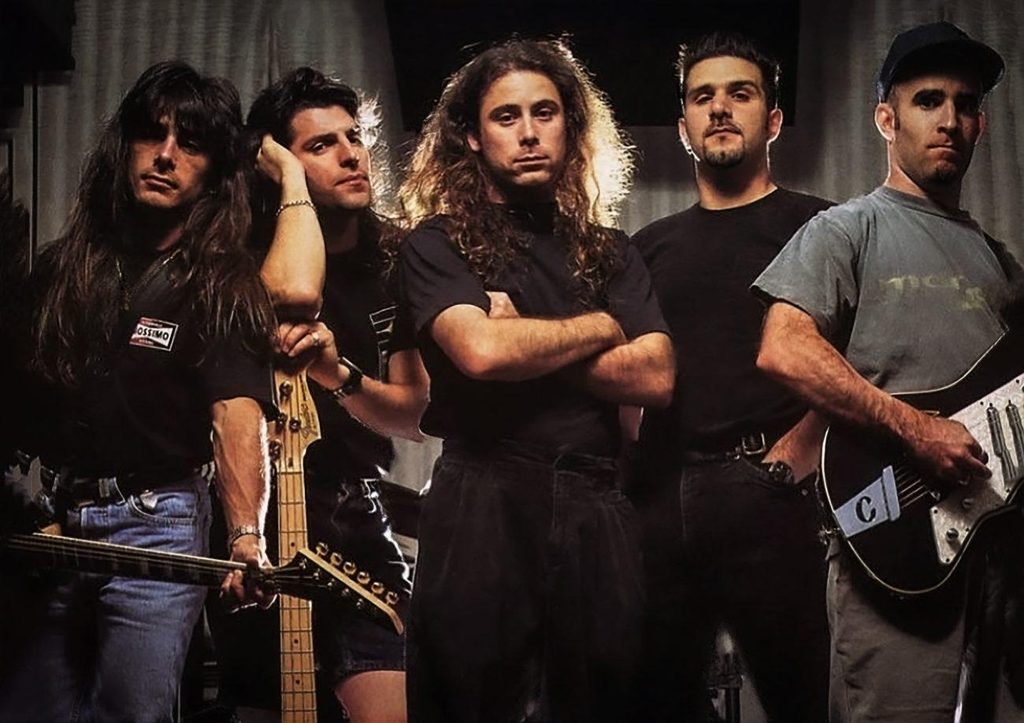
John Bush brought soulfulness and a rugged emotional honesty to Anthrax. Together, they created a decade of music that stands as a testament to the power of artistic reinvention. They forged magic in the heat of real life, surviving through unapologetic, unvarnished collaboration. The only way I can describe the marriage of John Bush and Anthrax is timeless.
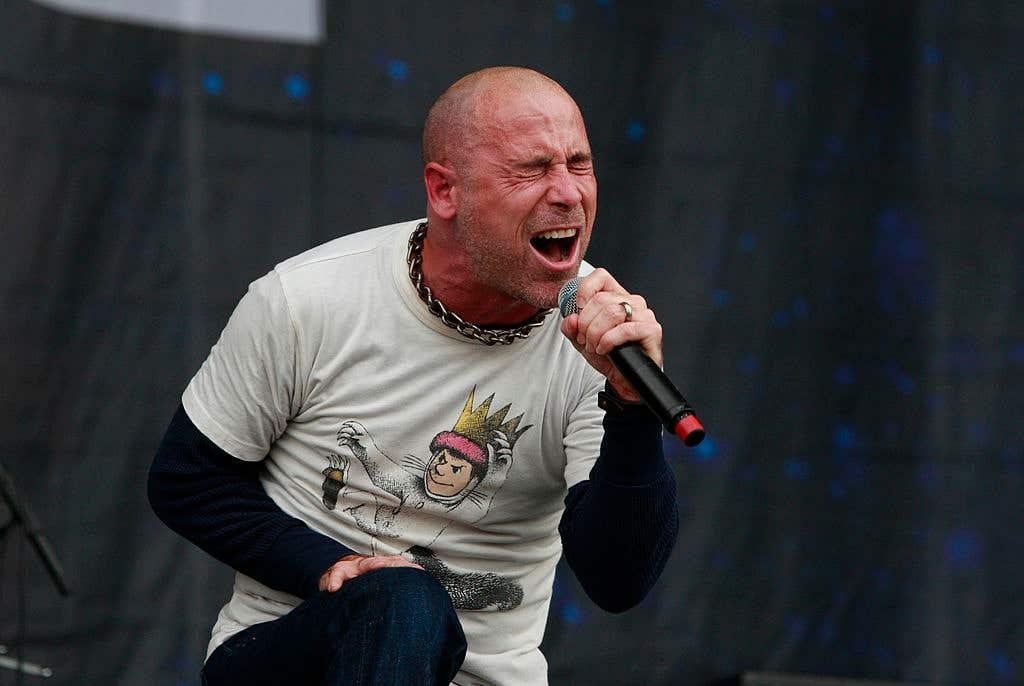
John Bush was the perfect fit for Anthrax at the perfect time. The songs of the John Bush era of Anthrax hold up today. It’s time we give this masterclass era, and the resilient singer who led it, the standing ovation he has always deserved.
I’m Music Magazine Music Journalist Jon Faia
Official Websites
https://www.category7official.com
https://www.instagram.com/officialjohnbush
https://www.instagram.com/anthrax
https://www.facebook.com/anthrax
YouTube
https://www.youtube.com/@AnthraxBandOfficial
TikTok