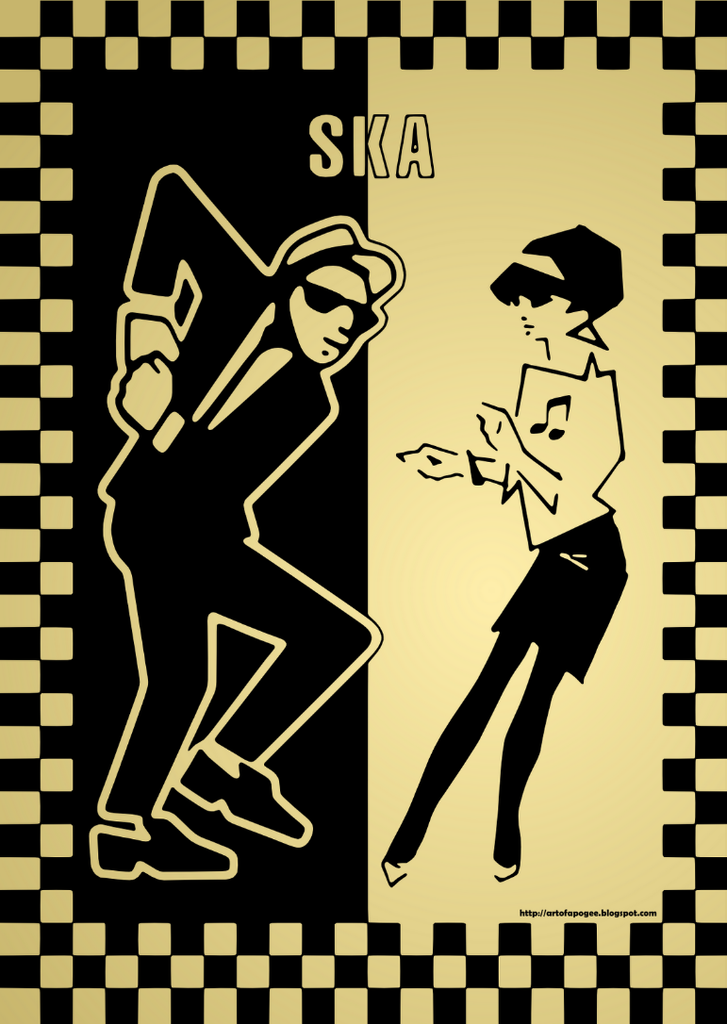
Looking back through the hallowed halls of music history, Ska has always been a survivor. It’s a genre that refuses to flatten or fade. It resurfaces every decade like a stubborn sunrise, somehow always brighter and brassier than before. With the world experiencing tight tension and division, ska’s spirited skank and soulful swagger doesn’t just feel nostalgic, but necessary.
This isn’t a plea for retro revivalism. It’s a journalistic argument for cultural oxygen.
Ska is joy with a backbone. Blissful rhythm with resistance. A communal pulse in an increasingly solitary age. And if you listen closely, you can hear it gathering again.
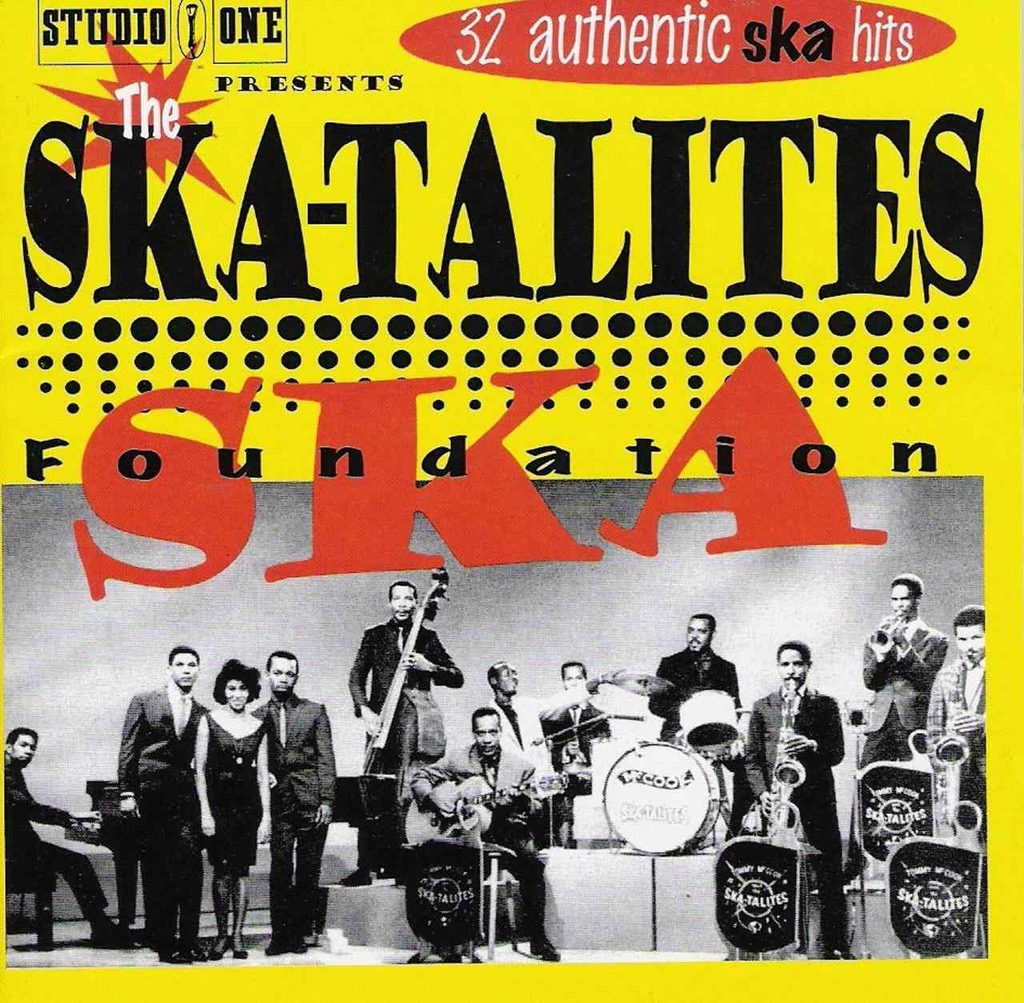
Ska music was born in the heat with a story beginning in Kingston, where ska emerged in the late 1950s as Jamaica’s soundtrack to independence. The Skatalites, Prince Buster, and Desmond Dekker stitched together mento, jazz, and American R&B into something celebratory and soaked in sun. It was music built for movement not just dancehall nights, but social momentum. Ska was optimism you could hear.
That optimism traveled. By the late 1970s, Britain was boiling with racial tension and economic unrest. The British musical landscape was heavily influenced by punk’s jagged rebellion at the time. Out of that pressure came 2 Tone. A label that not only sparked a cultural manifesto. The Specials, Madness, and The Selecter fused ska’s bounce with punk’s bite. Together they began turning it into a multicultural call for unity. Black and white musicians shared stages and songs, proving rhythm could be resistance.
Twenty years later, it became America’s turn, and the 1990s didn’t just adopt ska; they detonated it. The alternative music explosion was the perfect time and place for ska to thrive, with a vast cultural melting pot of music permeating the airwaves. Punk, grunge, hip-hop; they were all living in unison and were creating social bonds, opposed to the 1980s motto of “you’re either this or that” mentality. Ska became a supernova; its third wave wasn’t just a ripple; it was a sonic riot.
Suddenly ska was everywhere: MTV, movie soundtracks, mall speakers, late-night TV, suburban garages, and every sweaty corner of the Vans Warped Tour. It was the era when horns became household sounds and skank circles became rites of passage.
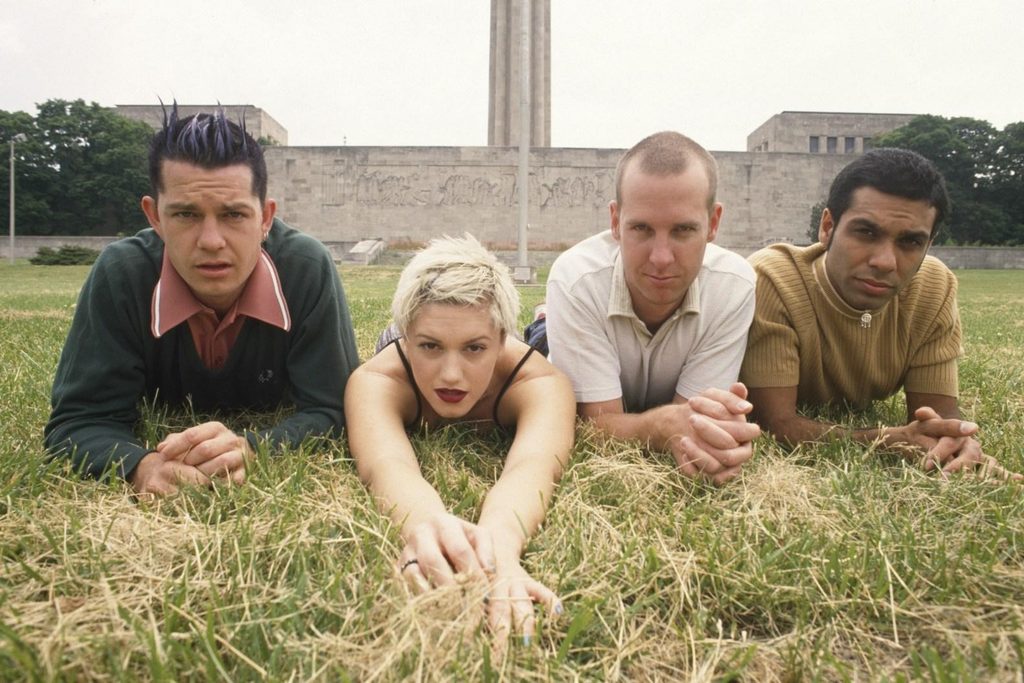
No Doubt led the charge, blending ska’s traditional buoyant bounce with a pop polish and hints of punk’s bite. Gwen Stefani’s voice and emotive lyrics carried ska into the mainstream without sanding off its edges. Tragic Kingdom wasn’t just a hit album; it was an awakening that proved ska could be stylish, feminine, fierce. This little band from Anaheim, California was in the midst of jumpstarting a revival. While No Doubt kicked open the door for ska in the 1990s, there were others who staked their claims in the encyclopedia of the new commercially colossal movement.
Save Ferris brought a bright, Southern California sound that felt like sunshine in stereo. Monique Powell’s vocals soared over horn lines that were equal parts playful and powerful. Their cover of “Come On Eileen” became a generational anthem. It was a skankable staple that turned countless teenagers into ska believers.
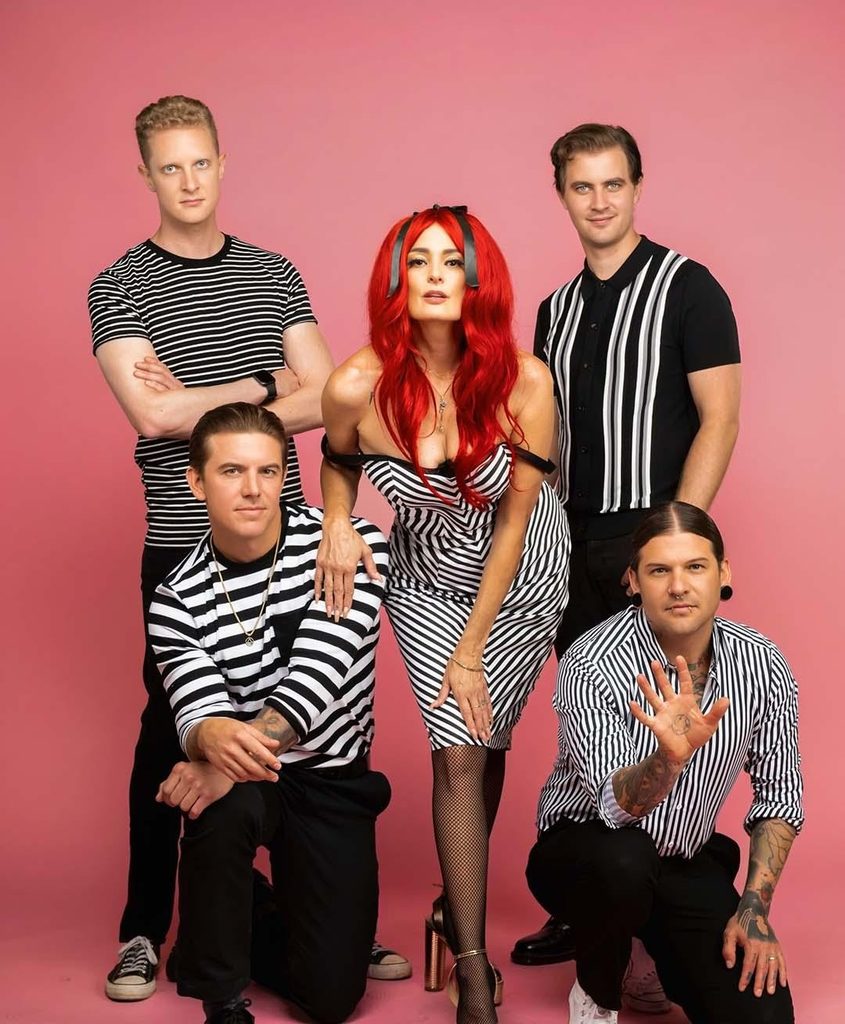
Reel Big Fish injected the decade with sarcasm and swagger, with a hint of self-aware silliness. Their breakout hit “Sell Out” was satire and prophecy. A tongue-in-cheek takedown of the music industry wrapped in irresistible brass.
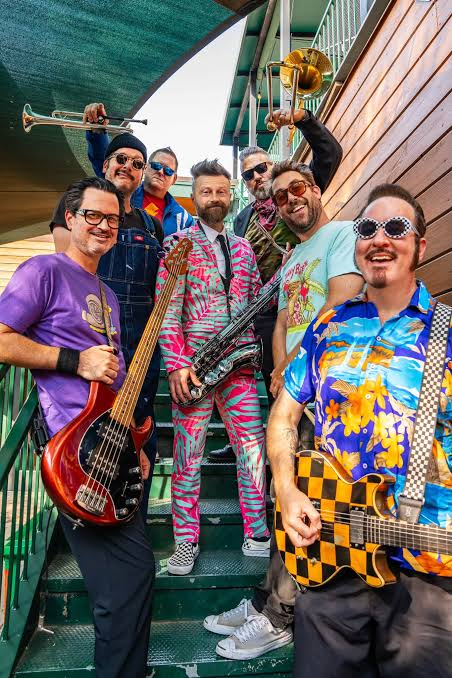
Meanwhile, Less Than Jake turned college towns into chaotic carnivals of horns and heart. Their blend of punk speed and ska swing made them one of the most beloved live acts of the era.
And who could ever forget The Mighty Mighty Bosstones, with their plaid-clad, gravel-throated charm, delivering “The Impression That I Get,” a song so ubiquitous it became the unofficial anthem of the late ’90s.
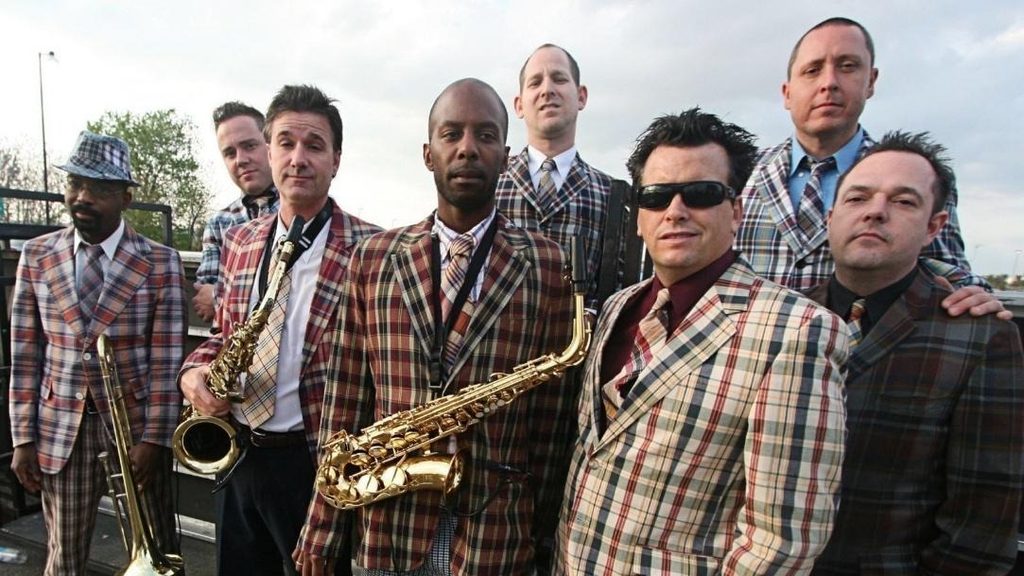
This was ska’s moment to celebrate the goofy, yet earnest explosiveness. It was the soundtrack of adolescence that didn’t take itself too seriously.
But ska’s true power wasn’t just in the bands; it was in the people who showed up. The community that carried the sound.
Ska fans built a culture that was radically inclusive long before inclusivity became a buzzword. They were the kids who didn’t fit neatly into punk, pop, metal, or the indie scene. They were the misfits who found each other in gymnasiums, garages, VFW halls, and sunburned festival fields.
Socially, ska provided the ecosystems where punks with patched jackets sang along with kids in suits bought in thrift stores that may or may not have fit. There were teens from the suburbs dancing beside aging 2 Tone devotees. There was a blending of backgrounds who were connecting with Jamaican culture, and a huge number of band kids realizing that the trombone lessons their parents forced them into could become something cool.
The community was loud and defiantly unpretentious. It didn’t matter what you wore, or who you loved. It was only that you moved with the music.
Ska fans influenced the musical landscape by proving that joy could be communal, and that mosh pits could be friendly. They showed the world music could be political without being punishing. They championed DIY ethics, supported local bands, and kept small venues alive. They built zines dedicated to the genre, organized shows, traded tapes, and created an atmosphere where participation mattered more than perfection.
Even today, ska’s community remains one of the most supportive in music. They foster a place where new bands can grow, and legacy bands can return. All the while providing a sense of belonging without needing to be performative.
Ska fans don’t just attend shows. They sustain a movement.
Today’s music is polished to perfection. It’s digitally curated, algorithmically optimized. Yet beneath the slick, polished exterior, listeners are starving for something human. Something handmade. Something that sweats, stumbles, and smiles.
Ska is that antidote, and it matters now.
It offers community in an age of isolation. Once you’ve heard ska, you don’t simply listen to it; you join it. The horns call, the crowd answers, and suddenly the dance floor becomes democratic.
It offers joy as defiance. In a culture that rewards cynicism, ska insists that celebration is not naïve; it’s rebellious. And it offers genre fluidity for a generation that refuses to stay in one lane. Ska has always been fusion music, and today’s listeners are in desperate need of a newfound sonic freedom.
The next wave of ska isn’t hypothetical; it’s already humming in clubs and fiercely independent corners of the internet. Modern times have brought us new architects preaching a ska revival.
Los Angeles’ The Interrupters have become the fiery flag-bearers of modern ska-punk, blending polished production with punk urgency and horn-driven uplift. Their live shows feel like revival meetings. Providing the canvas for something not just sweaty and sincere, but something communal.
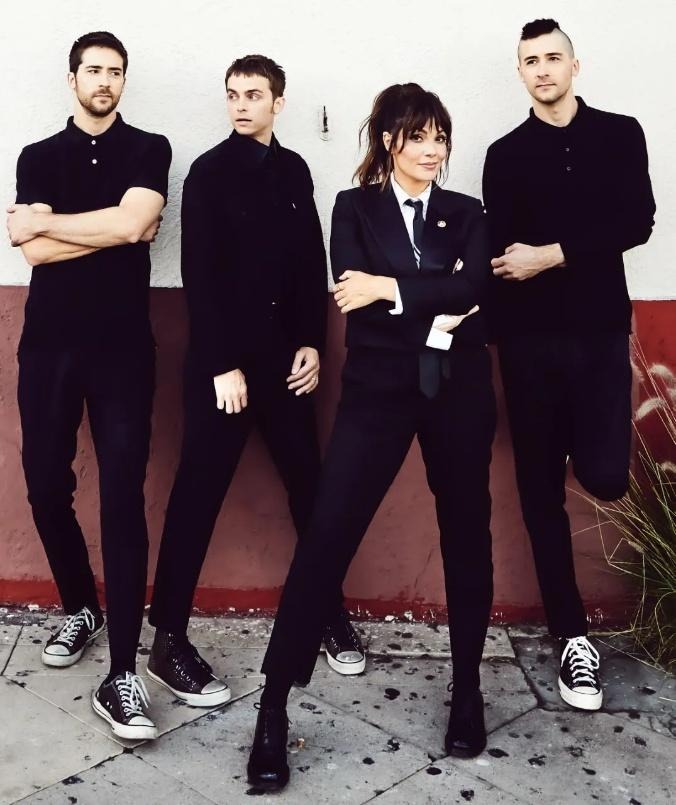
Across the country, We Are The Union are reshaping ska with emotional honesty. They are providing a bridge of political clarity and defiant forward-thinking. Their music is the blended families of the genre’s past and its potential future.
Meanwhile, BAD OPERATION has coined “New Tone,” a mature, tightly constructed evolution of ska that feels tailor-made for the modern moment. Not only is it thoughtful, but it’s also rhythmic and un-ironic.
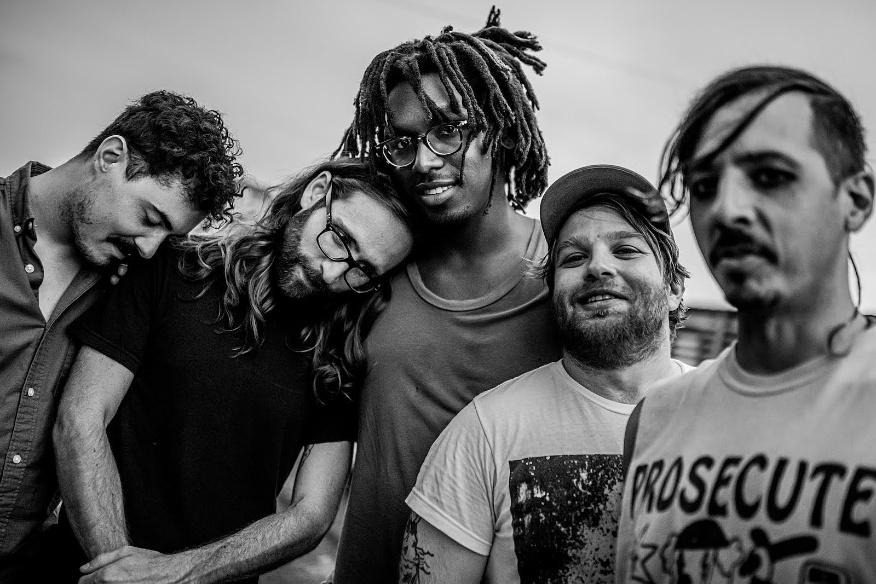
These artists aren’t imitating the past. They’re inventing the future.
If you’re wondering where to begin with your listening journey or how to understand ska’s staying power, there is no better way than to walk its timeline. Start with the roots: the Skatalites with their warm, wobbling instrumentals or Desmond Dekker’s storytelling. Fall in love with Britain’s 2 Tone era. Play The Specials’ “Ghost Town,” a haunting song that captures the political pulse of its time.
Then tackle the American explosion. Let No Doubt’s Tragic Kingdom, Reel Big Fish’s Turn the Radio Off, Save Ferris’ It Means Everything, and Less Than Jake’s Hello Rockview remind you how ska became the soundtrack of a generation.
Finally, don’t sleep on the new blood, and dive into the new wave. BAD OPERATIONS’s self-titled album is a perfect entry point into ska’s contemporary maturity.
Let the eras blend. Let the lineage speak. Let the horns guide you.
Ska is not a relic. It’s a remedy, and there’s a case for a comeback.
A genre built on movement and multiculturalism is exactly what the modern moment demands. Ska invites us to dance through difficulty, celebrating survival. Its return wouldn’t be retro; it would be revolutionary.
And maybe that’s the point: ska has always thrived when the world feels heavy. It rises when we need rhythm the most. The scene is stirring. All that’s left is for us to listen and then to move.
I’m Music Magazine Music Journalist Jon Faia
For the largest Ska presence online today, you can find Ska Punk Daily here:
- Instagram: https://www.instagram.com/skapunkdaily
- Facebook: https://www.facebook.com/skapunkdaily
- TikTok: https://www.tiktok.com/@skapunkdaily