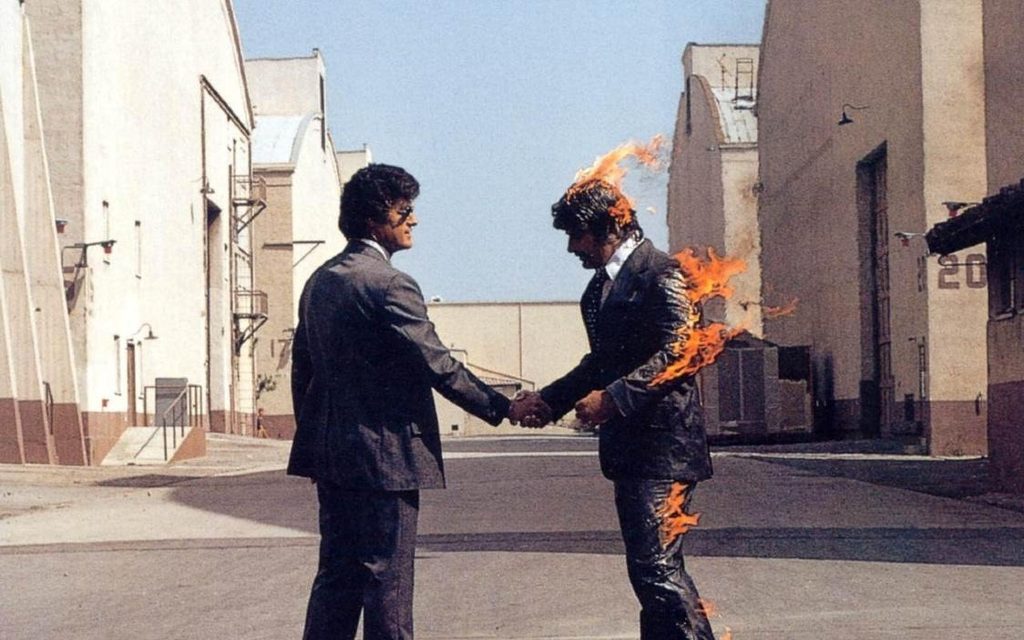
Your heart just knows when it feels a song. A song that shouts like a storm of sorrow soaked in silence. A friend that you hold so close that you’re afraid for others to know they exist: Pink Floyd’s “Wish You Were Here” is that old friend. “Wish You Were Here” epitomizes the shape of silence. It conjures a different memory, or feeling, for everyone. This song is the ultimate testament to longing and loss, reminding us all about our own lonely labyrinths of being human.
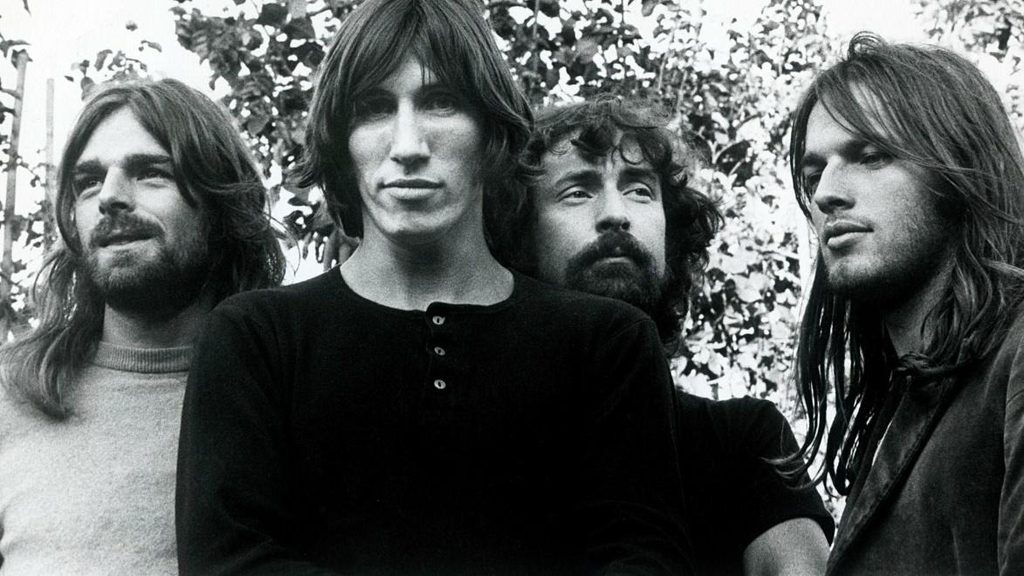
In 1975, Pink Floyd was drifting through a period in time that Nick Mason famously referred to as “relaxed desperation”. The band was creatively exhausted, and that cloud hung over Abbey Road Studios, lingering and taunting. Dark Side of the Moon had just taken over the world, but spiritually they were spent and still reeling from the absence of the man who once ignited their early brilliance: Syd Barrett.
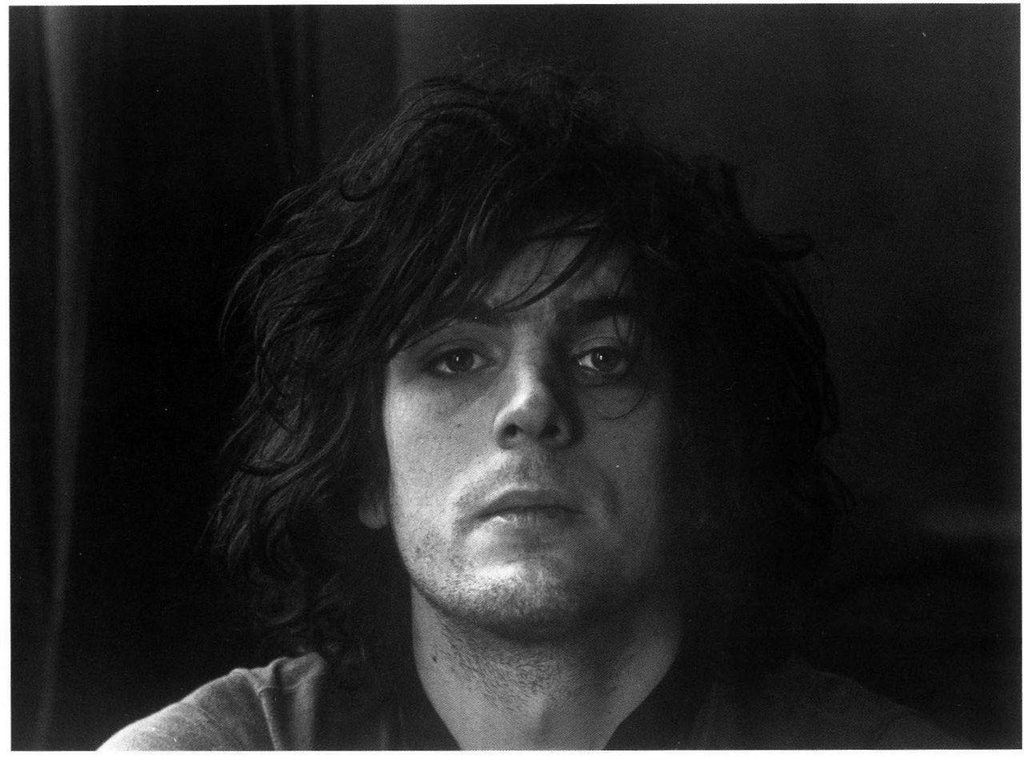
And as the studio session desperately needed a moment of creative clarity, Syd walked in. Not the incandescent comet they remembered, the mercurial mastermind who once conjured kaleidoscopic worlds with a single strum. Syd appeared as a heavier, hollowed version of himself. Head shaved. Eyebrows gone. Carrying a plastic bag. Unrecognizable until David Gilmour finally realized who the silent stranger was. The room froze. Richard Wright cried. Roger Waters trembled. Syd stood still, staring, smiling faintly, as though he were both present and impossibly far away.
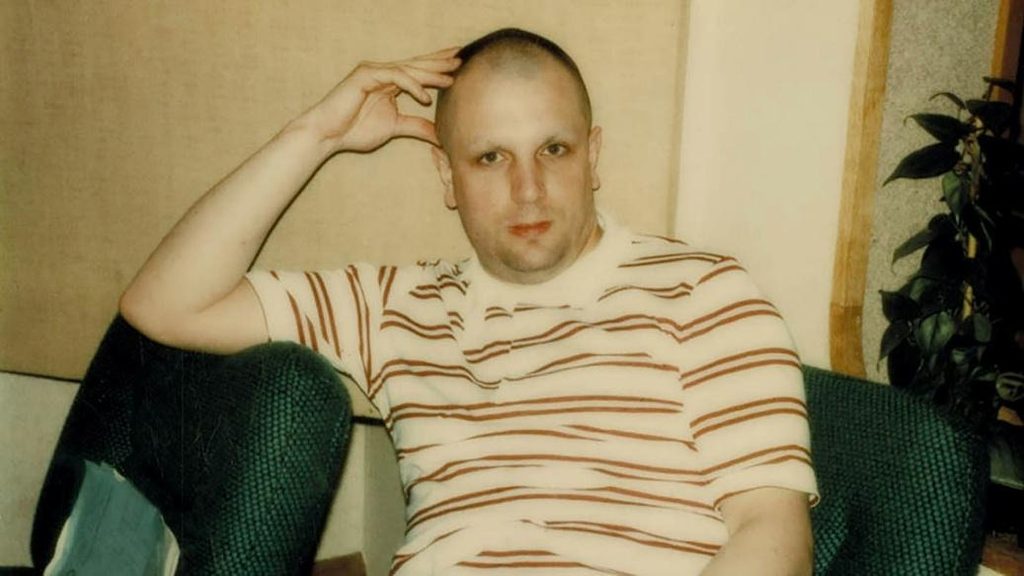
It was a visitation that felt biblical in its own heartbreak, a ghost returning to the living. Syd’s appearance was a reminder of brilliance that burned too bright, and eventually too fast. That moment became the emotional epicenter of “Wish You Were Here.” A song that aches with the weight of everything unsaid and unreachable.
But the magic of the track, the reason it still resonates across generations, is that it isn’t just about Syd. It’s about us. All of us. The lost, the longing, the lonely, and those of us just trying to survive.
The poetry of “Wish You Were Here” is in its deceptively simple mirror into our own lamenting in layers. Each line carries a constellation of meaning.
“So, so you think you can tell / Heaven from Hell, blue skies from pain?”
This opening question is a quiet thunder. A soft, stinging challenge. It confronts our ability to distinguish authenticity from illusion, and our joys from sorrows. The “green field” versus “cold steel rail” contrast symbolizes the natural liberation of innocence versus indoctrination. It’s a question Syd could no longer answer. It’s a question many of us still struggle with.
“Did they get you to trade your heroes for ghosts?”
Syd was once their hero: brilliant and a bold breaker of boundaries. His mental illness and fame’s unforgiving glare transformed him into a ghost long before he walked into Abbey Road Studios that day. But the line speaks to anyone who has ever compromised their dreams for a diluted identity, or surrendered their spark to survive.
We’ve all traded heroes for ghosts. Some of those ghosts still breathe.
Perhaps the most iconic lyric in the song is “We’re just two lost souls swimming in a fishbowl, year after year.” The band themselves were lost within their own disillusionment with fame. They were superstars around the globe but emotionally isolated. A band of brothers swimming in circles, repeating unfulfilling routines for invisible spectators. Fishbowls aren’t just exclusive to fame; it’s modern life. And possibly our curse of transparency and repetition until we come to the realization that it’s all performative.
We spend a lifetime smiling for the glass, while we silently hope someone sees the exhaustion behind our eyes.
The simplest line and sharpest blade in the song by far is its title within the chorus, “Wish You Were Here.” It cuts clean because it’s universal.
We all wish someone was here. Someone who left, someone who changed, someone who never arrived, someone we used to be. It’s a lyric that lingers like a last breath.
“Wish You Were Here” still stuns listeners fifty years later because it feels like our story. It speaks the secret language of relatability to longing and the soft, shared sorrow we carry in the quiet corners of our chest.
As we navigate life, mourning moments and memories, we can’t help but remember earlier versions of ourselves. Maybe it’s all the whispers of “I miss you” to someone who will never have heard it, or what could have been moments where we just didn’t have the words. The song encapsulates absence while dignifying it. If the song turns our loneliness into a lyric, it makes our loss strangely luminous. It reminds us that missing someone is proof that we once loved fiercely. And missing ourselves is proof that we’re still trying to return.
There’s a devastating beauty in how “Wish You Were Here” binds strangers together. The song is a soft‑spoken solidarity and a reminder that the ache you feel is not yours alone. Emotional devastation is communal even if you don’t realize it at the time. It’s our universal pulse. While “Wish You Were Here’s” longing is a collective language, its melancholy mirror is something we all can recognize. For every Instagram or TikTok post of the song, the accompanying comments instantly become confessions. People begin sharing names of who they miss and who they wish they could speak to just one more time. For everything the song represents, there may be no better description of “Wish You Were Here” than as a vigil. Generations of loss gathering to find a hand to hold.
We live in a time of fractured attention, where people carefully curate personas and digital distance. “Wish You Were Here” reaffirms that longing isn’t a weakness; it’s evidence of love.
Pink Floyd didn’t just write a tribute to Syd Barrett. They wrote a roadmap for anyone who’s ever felt lost. They wrote a reminder that absence isn’t the end; it’s the beginning of understanding what truly matters.
I’m Music Magazine Music Journalist Jon Faia
Official Website
TikTok
Twitter/X