
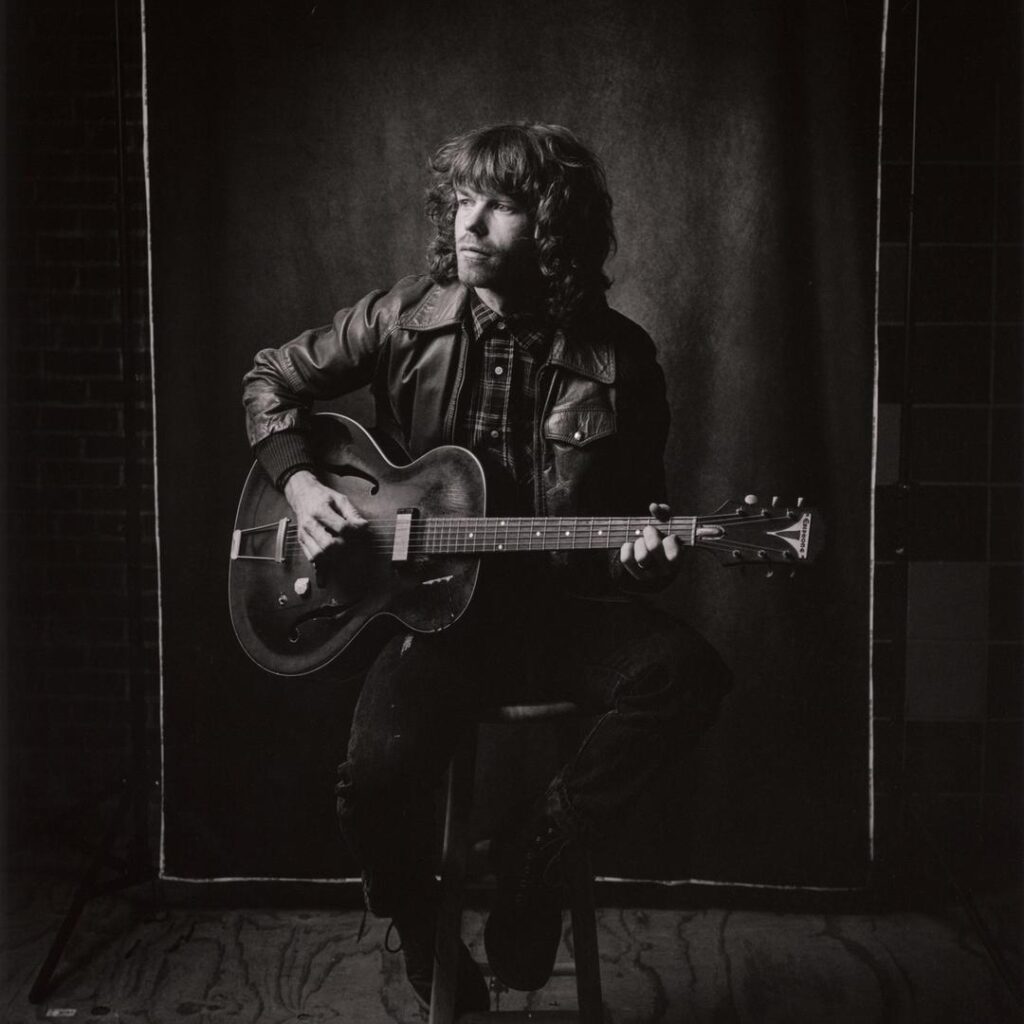
One knows a Jesse Welles song from the first husky note. The rocker-turned-folksinger turns heads with a harmonica and a guitar. His songs summon the melodic sensitivity of Prine with the raw grit of Guthrie, all mixed into his own style and experiences as a singer/songwriter in the 21st century. I tread lightly with these comparisons as Welles invades the scene with a voice of his own. With not one, but four full-length albums already out this year and a mostly sold-out tour, he’s rapidly becoming one of the biggest names in modern folk, constantly releasing news stories in the format of melodies that often seem faster than the news itself.
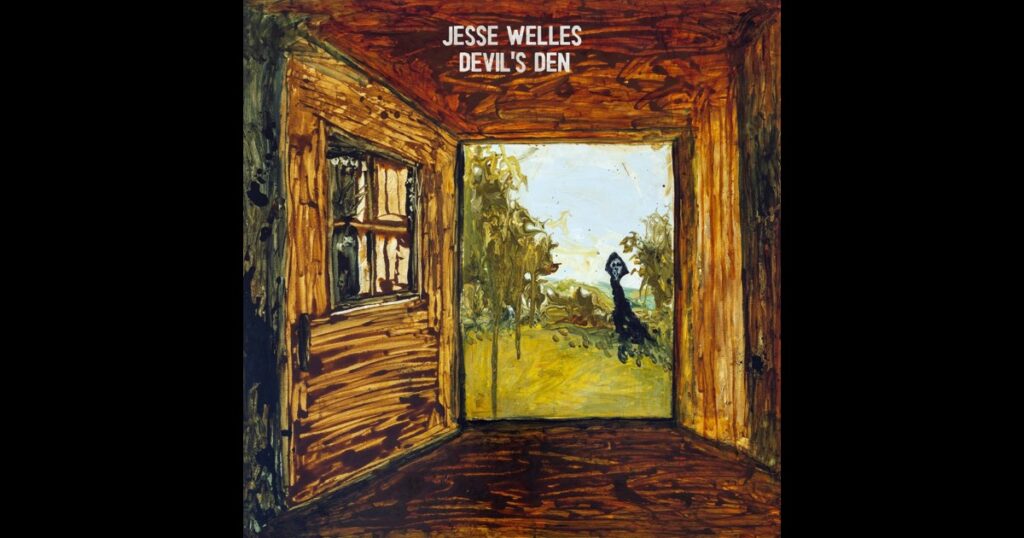
The newest album, Devil’s Den, released in August flourishes with lyrical sensitivity and vigorous finger-picking rhythm. It bursts with a strong opening in “The Great Caucasian God.”
Among a simple strum pattern, the lines, “Upon a missile rode the lord, roaring justice is the sword, he was melting off the faces of the damned,” begin the story. Fluent in satire, Welles sheds through humor and song, stark criticism on patriotic faith, less about religion itself than those who twist it to fit their own desires.
Twangy licks guide “In the Morning,” while a melodic solo infiltrates the end of the song. A casual country hymn, “In the Morning,” holds the message that good things take time, a take-it-easy folk jam with funky rhythmic slides and easy strumming.
“Malaise” serves as the third track, a thought-provoking look into the state of the world and humanity. The harmonica glides over the tangy rhythm. Through the jolty chorus of instrumentals, the lyrics tamper with questions left unanswered of the future and a sordid outlook at the destruction caused by humans. Despite its melancholy passiveness, the rhythm jumps and rivets with energy.
With a harmonic opening, “It Don’t Come Easy” gives us strained notes that peak with grit and melody. The song weaves in traditional storytelling on the verses with an easy hook for the chorus, and nearing the end a tambourine beat fixes the initial lack of percussion. Standout lines such as “I still don’t know what living costs, but I can tell you what I spent,” capture the reflective essence of being lost.
“Don’t Go Giving Up,” simmers down to a ballad of tenderness and warmth. Rusty chords strummed and plucked, and that familiar twang plays on while background keys add an extra layer. “Don’t Go Giving Up,” may be the heart of Devil’s Den. Heartfelt and sincere, the song’s simplicity feels like a tribute, and every slide and pluck reverberate in fullness.
If the title didn’t give it away, one might easily think “America, Girl,” is a story of a rocky relationship and while yes that seems to be the premise, the relationship is not with a person but a nation. The song tackles the mixed feelings many of us face in relation to the land of liberty and its many contradictions. Welles captures the heartache and disappointment alongside the struggle to save an unsatisfying relationship. “America, Girl,” doesn’t fall into bleakness but instead rises as a sentimental track that’s bold in its approach. A slow and steady strumming pattern keeps a semblance of hope trailing along the internal war.
The keys lead “Don’t We Get By,” in warm hazy tones and as the song progresses, a company of Beatles-esque psychedelic riffs join the instrumentals. The lyrical prose is reminiscent of the beat poets chocked full of spiritual desperation and grime, defying the upbeat melodies until the verses drift into the chorus, settling on the repeated “Don’t we get by.”
The opening lines of “John,” take you from the back of a Chinese restaurant to summer nights on the river, and by the end of the song you’re left with a handful of golden memories that are no more. An emotionally charged ballad, the second to last track on the album dims the lights and makes you feel every line, accompanied by acoustic chords strummed at a mellow tempo. Like any good and honest folksong, the story demands to be heard. Welles’ familiar rasp only enhances the hurt. “John,” might be the most vulnerable song on the album, and musically one of the simplest, making room for the soulful narrative to take flight.
The downtrodden rhythm brings Devil’s Den to its finale in “This Age.” Melancholy and introspective, “This Age” simmers down to a languid country hymn. Its easygoing compared to the heartbreak of the last song and the groovy riffs throughout the album, while bleak in its execution, fading out in the end. While folk is a genre that encompasses many styles, influences, and culture, blending itself effortlessly into the world around it, Jesse Welles has stormed the internet with his prose and resolve, reminding everyone that folk is more than just singing kumbaya around a fire. His social commentary invites freedom of speech into music, and embraces an honest approach to songwriting. Devil’s Den throbs with poetic soul, and reigns with an outlaw spirit, authenticity, and danger. If that’s not enough, released the same day was With the Devil where the same songs are played with a full band backing them up, giving that rock and roll edge.
I’m Music Magazine Writer Alice Kearney
Connect with Jesse Welles online:









Great review.
Appreciate that Keith and we appreciate you taking the time to check it out!