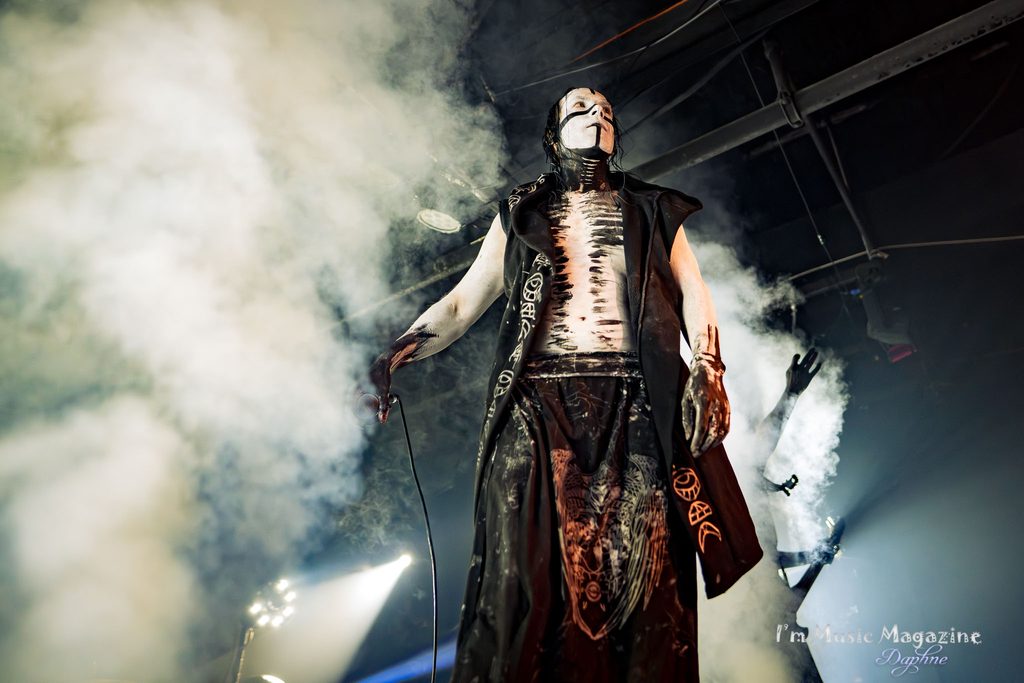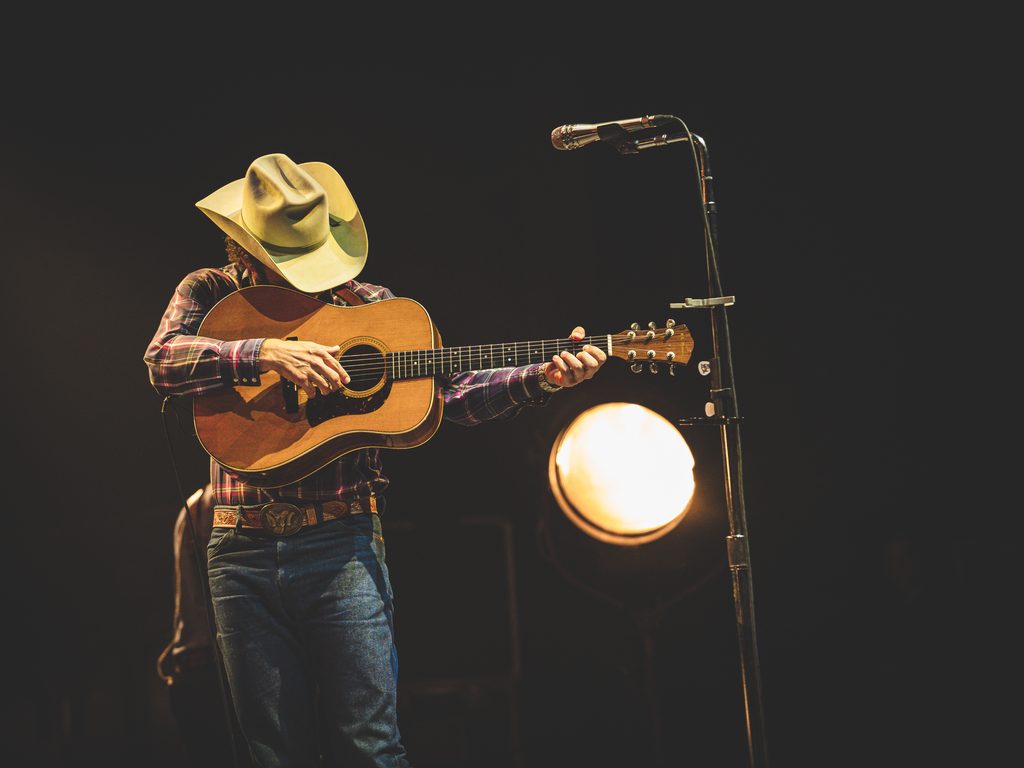
Jack White is a brash, blue-blooded bastion of the modern rock revival. He’s a man who doesn’t just play the guitar; he engages in a ferocious feud with the instrument itself. Through three decades of daring, and delirious performance, he has cultivated a reputation as a purist and perpetual pioneer. White is constantly chasing the ghosts, glimmers, and gritty grooves of the blues while reinventing the architecture of alternative rock. Born John Gillis in the working-class, weary crucible that is Detroit, White’s trajectory from a curiosity cursed kid to appliance repairman made him a global, galvanized, and grand titan of tune who is as mysterious as the music he manifests.
White’s roots are planted deep in the dusty defiance found in the soil of American music. His father, an audiophile, filled their home with a constant, crackling, and captivating symphony of sounds. This was all Jack needed as his father was providing the blueprint for White’s lifelong obsession with gear. In his youth, he wasn’t merely listening to records; he was decoding and digesting the delta blues. And he found himself a holy trinity in the works of Son House, Robert Johnson, and Blind Willie Tell.

These haunting and humble influences became the marrow of his music. Whether it was the raw and restless garage rock of his Detroit origins or his later, more kaleidoscopic experimentalism, White has always functioned as a bold and bridge-building visionary. He connects the primal, pulsing, and potent rhythms of the past with the fractured and feverish anxieties of the present.
The arrival of The White Stripes in the late 90s was nothing short of a seismic and sonic shift in music. Alongside his former wife, Meg White, the duo presented a stripped-down and stark aesthetic that defied the bloated and boring excesses of contemporary pop. Clad in their iconic, red and ivory uniforms, they played a fervent, fierce, and folk-infused version of the blues that felt both part revelation and a riot all at once. Resurrecting the blues and creating a new interpretation.
Their anthem, “Seven Nation Army,” remains a monument to the power of a simple, savage riff. It didn’t just top charts; it transformed the landscape of rock at the time, proving that a minimalist approach to melody could conquer the waiting world.
White’s career is not just a collection of chords; it’s a calculated and creative empire. With the founding of Third Man Records, he established a sanctuary for the sonic soul. Creating a place where analog tape is treated as a sacred, storied text. In an age of digital sterility, White remains principled, showing he is a passionate and pugnacious advocate for the tangibility of tone, reveling in the texture of vinyl, the warmth of wire, and the hardworking imperfections that breathe life into a recording.
Beyond his own work, his collaborations with legends like Loretta Lynn and Neil Young, along with his tenures in The Raconteurs and The Dead Weather, illustrate a courageous spirit. He’s a musician who thrives on limitations, believing that the constriction and constraint of an 8-track recorder force a level of brilliance that modern, lazy software simply can’t replicate.
With his seventh studio album, Frozen Charlotte, released in the sweltering July of 2026, Jack White plunges us into a harrowing, high-voltage, and hypnotic new soundscape. Following the blunt and breathless 2024 surprise, No Name, this new record feels like a fortification of the foundation that is the Blues. A deliberate, dark exploration of the testament that the Blues provides.
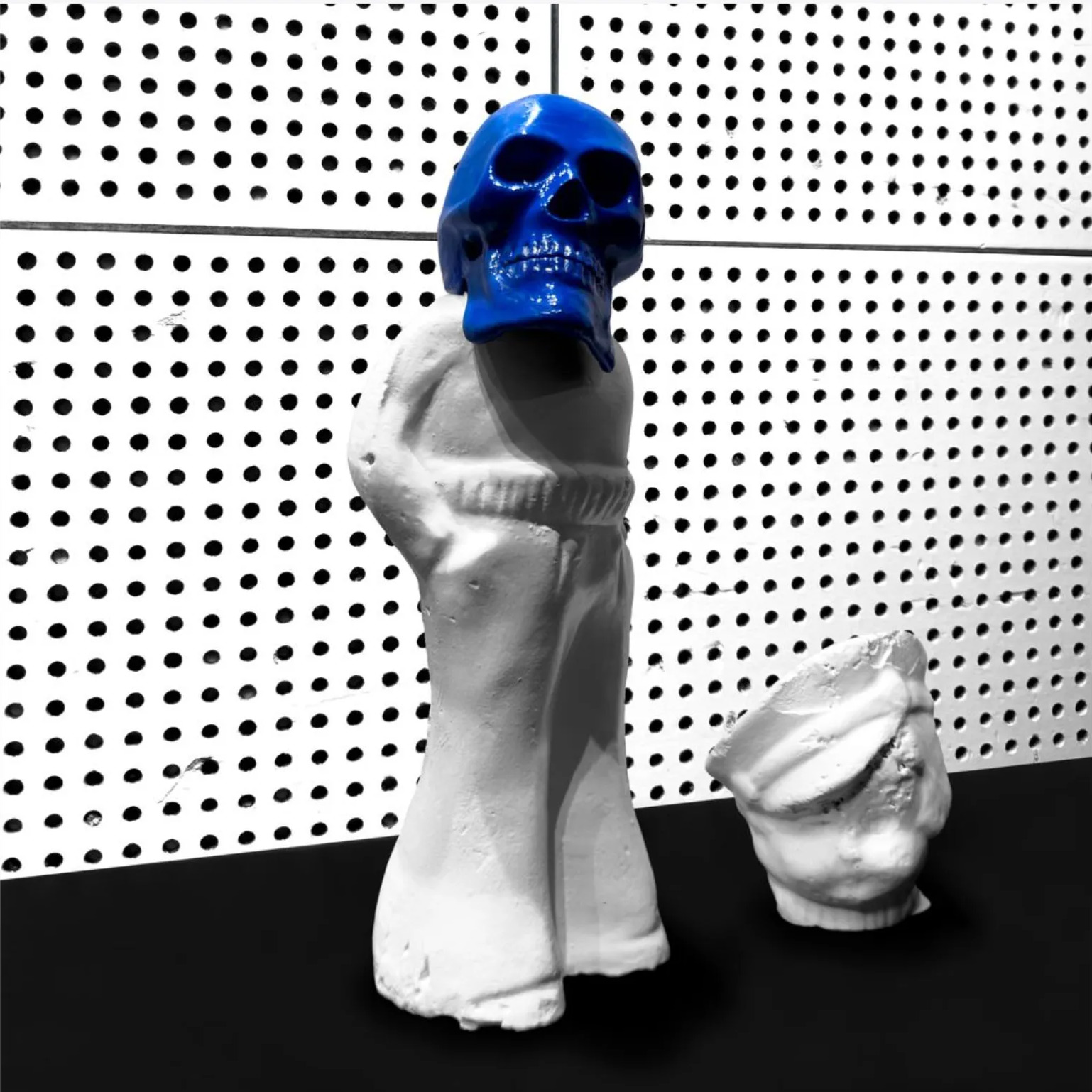
Frozen Charlotte is a compelling companion piece. The production is pristine yet prickly. There is a perfect balance of his signature, fuzzy, fractured guitar tones accompanied by a driving and dramatic drum tone birthing a cadence that feels both claustrophobic and cavernous at the same time. The album cover features a crafted doll sculpture that signals the entrance to a world of dark hearted storytelling.
“Derecho Demonico” saddles the album with a hint of darkness showing off White’s penchant for the supernatural while challenging the idea that soul is a gimmick, but soul is embedded in the marrow of every note.
“Dollar Bill” is a propulsive, punchy, and pointed lead single. It has grit and is a sonically galvanizing critique of the underbelly of industry delivered with accomplishment and a cynical smile.
“Neighbors Blues” anchors the album with a bold, breathtaking finale. It’s a masterclass in tension, and texture, featuring a guitar solo so instantly iconic and intensely intricate that it feels like the soulful ghost of a 1970s bar band reimagined for a bleak, beautiful, and broken future.
Frozen Charlotte does not disappoint on any level. Jack White leans into his haunting, heavy, and harmonious style which has been a staple to his canon. He doesn’t ask for your attention; he seizes it with stares and sustainment. Like always White avoids the safety and stagnation of the mainstream, this is a jagged example of the creativity that masterly lingers in his mind. In a world that is distracted by effortless content, backing tracks, and a creative void, Jack White remains a steadfast sentinel of song. As long as there is a guitar, ghosts of memories, and love lost, rock and roll will never truly freeze. Jack White is making certain of that.
I’m Music Magazine Music Journalist Jon Faia
Official Websites
Jack White (Artist Site): jackwhiteiii.com
Official Merchandise: jackwhiteiiistore.com
Third Man Records: thirdmanrecords.com — Jack White’s record label and physical storefront
https://www.instagram.com/officialjackwhite
https://www.facebook.com/jackwhite
YouTube
https://www.youtube.com/user/JackWhite
TikTok
Spotify
Apple Music
https://music.apple.com/us/artist/jack-white/826980
Amazon Music