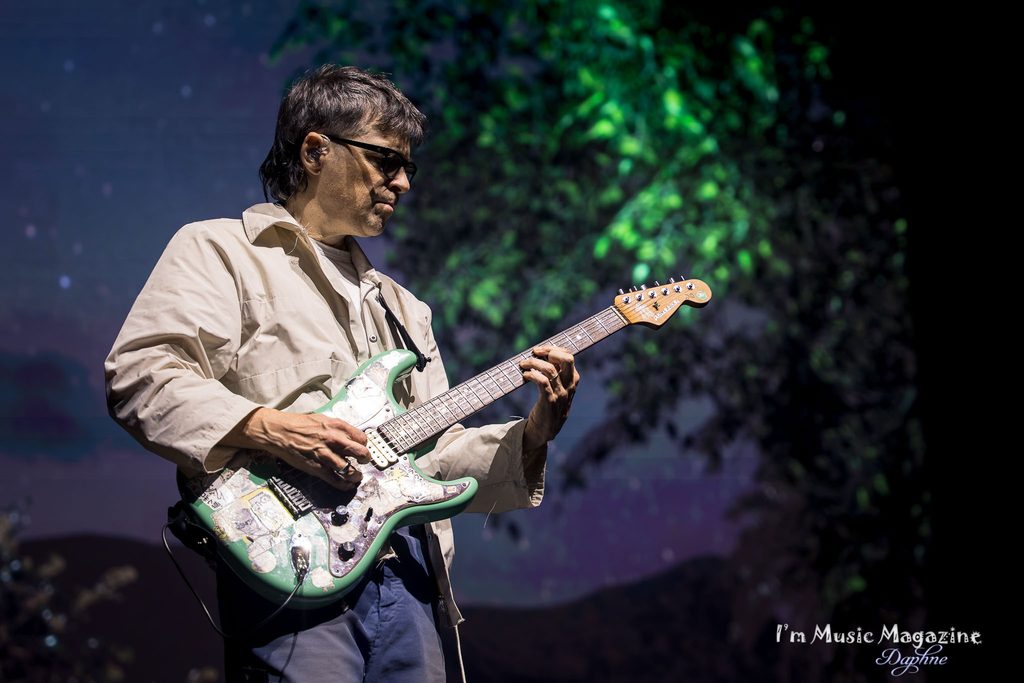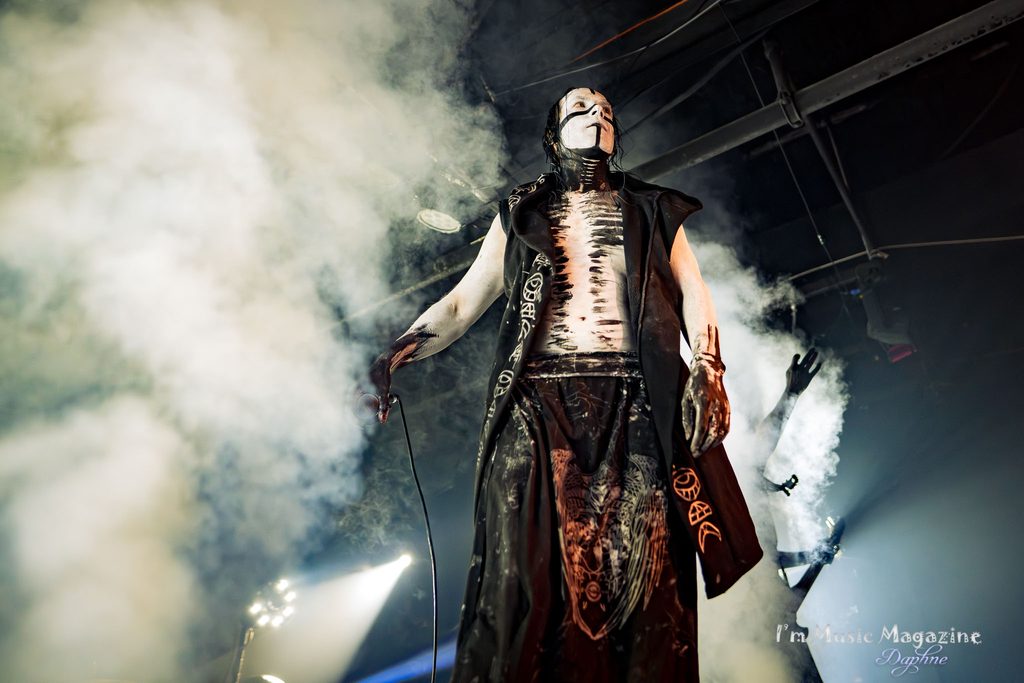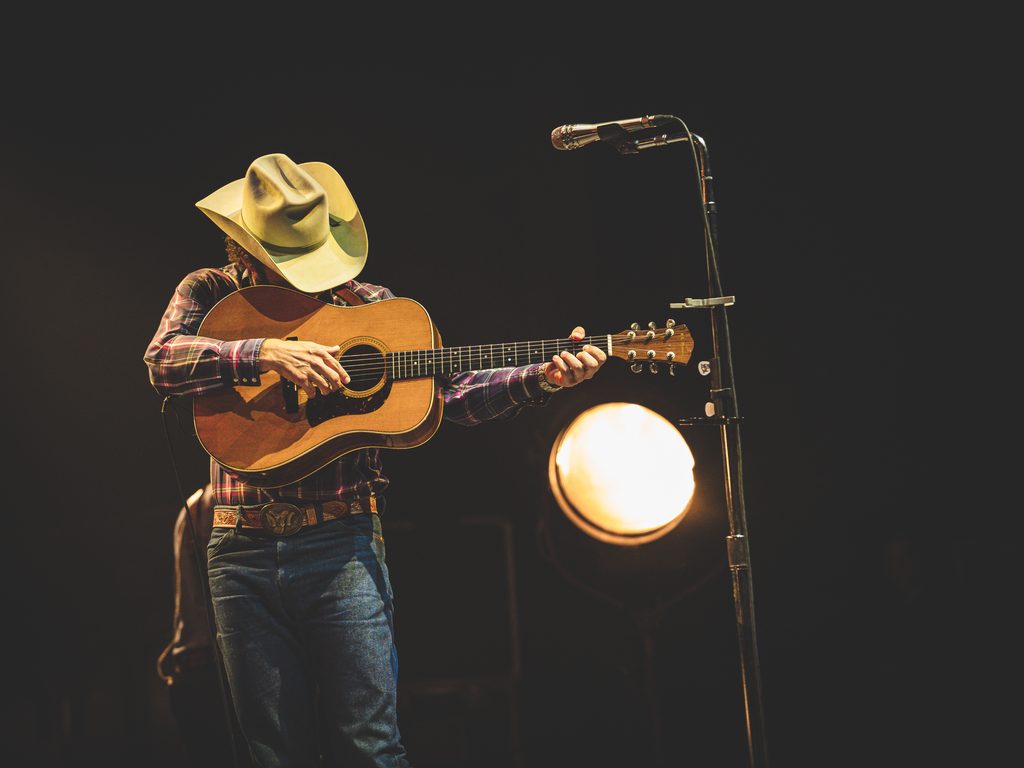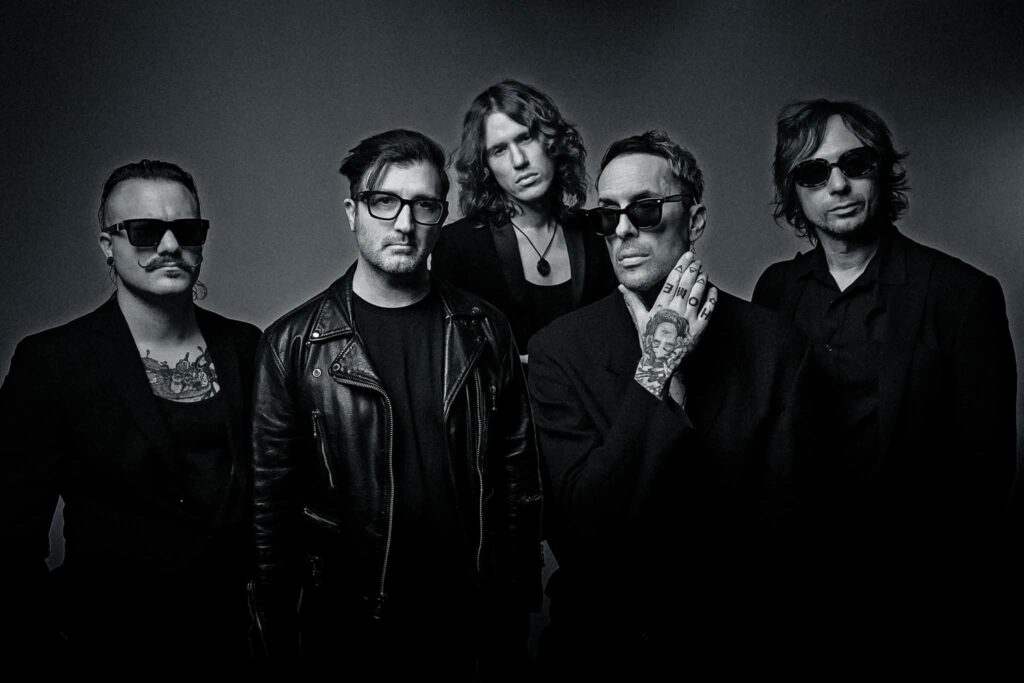
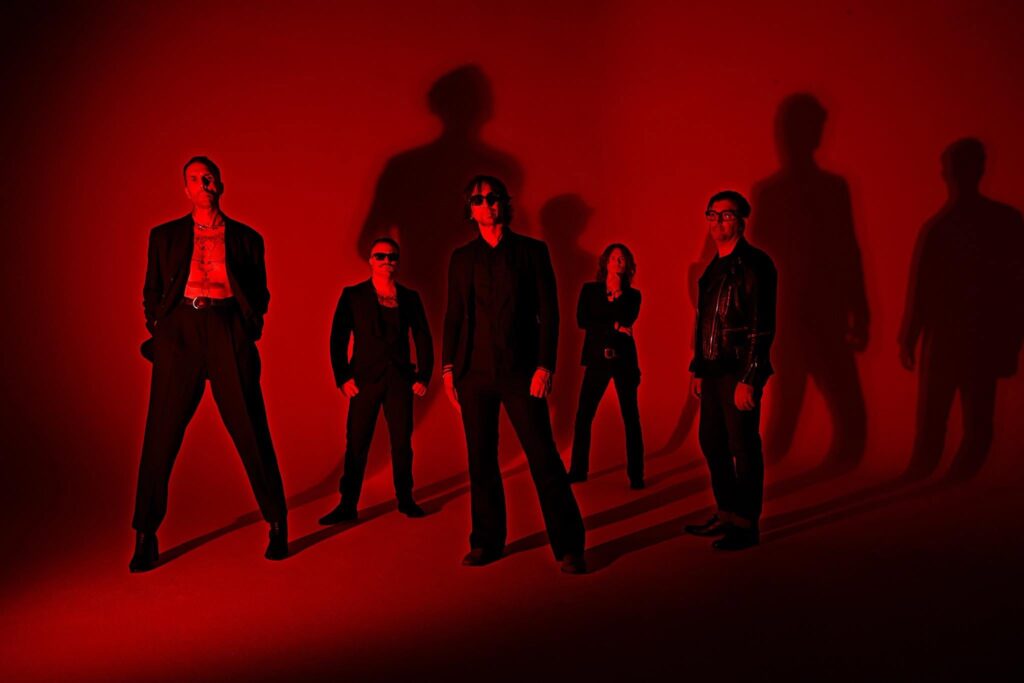
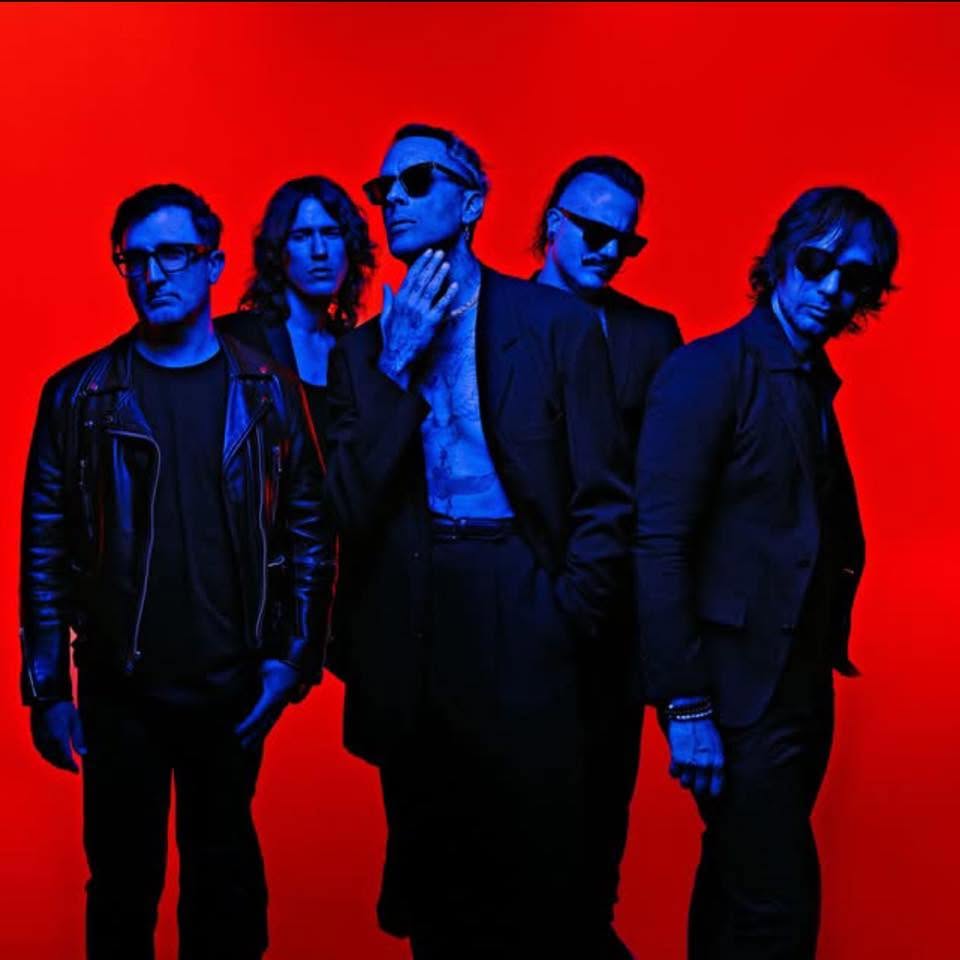
The COVID years, many of us try to forget those years, we mainly remember the pain, the heartache, the isolation. However if we step back and try to take a more objective view of those years, there was some good. People started new hobbies, people exercised more, and reconnected with family. Music fans have 2020 to thank for the formation of Crashing Wayward. The Rock Alt-Rock band came together in 2020. The band’s current lineup is Peter Summit on vocals, David Harris on guitar, Carl Raether on bass, Tucker Jones on guitar, and Jon Gunder on drums. The group is currently touring this summer hitting several cities in Texas and the midwest. They will also be releasing the EP The Fight Within sometime in 2026. This is the follow up to their debut album Listen! Peter and David took time during their travel between tour stops to talk about the band, AI, and their music with I’m Music Magazine’s Tim Board.
Tim Board: Crashing Wayward formed in 2020 during a time when the world had essentially hit pause. Looking back now, how did that moment shape the identity of the band, and do you think the music you’re making today could have existed without the unusual beginnings?
David Harris: That’s a good question. I know when Peter and I write music, we kind of take inspiration about things that are going on in our lives and the lives around us, but we’re songwriters so we just kind of I think no matter what we’re gonna do, we’re gonna write.
Peter Summit: Yeah, I think that although it was kind of COVID that really inspired and spearheaded the origins of this band, what we’re writing about and what we’re playing is still very relevant to what is happening in the world because a lot of the lyrics that are written are from, I guess, kind of my perspectives in life and what’s in the media and it’s all the same stuff that’s going on. We just try to make something feel a little bit more inspirational from that.
Tim: You released your debut album Listen! with producer Mike Gillies, now you are working with producer Shawn McGee on your new EP, The Fight Within. Your sound has taken a heavier, more direct edge. How has the band’s dynamic and mindset evolved since those early days, and what prompted this shift in the sound?
David: I think the more songs we’ve written, Peter and I just kind of had our chemistry grow and we see it kind of works together and having a change in some of the members, the music became a little more focused and tighter with the new lineup.
Peter: I would say that working with Mike Gillies was amazing but it was a more polished project. The band was kind of striving for something a little bit more polished and now we’ve kind of refocused and directed to really capture how we are live. I think if you hear our latest releases “Bullet for Heart”, “Going Blind”, “Holding for Dear Life” and our upcoming release “Brass Coffin” it’s going to sound exactly how we are alive. It’s just raw energy and it’s authentic and it’s real, it’s truly what the band is right now.
David: In the studio we kind of just put what the song needs and we tried not to put more than that on there. A more stripped down product that really was pushing for a more, less is more philosophy, and we kind of just focused on that, stripped it back and just let it rip.
Tim: David, I read that just five days before heading into the studio you completely tore apart and rebuilt the arrangement for the single “Going Blind.” What was going through your head during that last minute rewrite, and how did the rest of the band react when you presented a revamped version of the track?
David: Our producer, Shawn had asked me to write a couple extra guitar melody lines to the chorus for the old version and I started doing that and as I was listening to the song I wondered what the chorus guitar part would sound on top of the verse and as soon as I did that it just took on this whole new energy and vibe and the song and oh, I’m gonna rewrite the music for the chorus and then next thing you know the song is completely changed. I sent a demo to Pete and it took about 12 hours from him back to me. So I sat there like does anybody like this, and then he got back he’s like oh this is great and then I sent it to our producer Shawn and he was totally into it and then I sent into the band, the rest of the band and they’re like, what we got to learn this now? It’s a week where everybody had their parts written for the old version but you know they all came together after the initial shock of having to do a little more work before we went in.
Tim: Peter you talk about “Going Blind” sounds like a song about losing the love of your life, but you’ve shared that it’s actually about losing hope in yourself and screaming for help on the inside. How do you approach turning such personal, internal battles into a high-energy rock song?
Peter: That is, that’s a good question. You got me on that. Nobody ever asked me that before. I think I’m kind of an anomaly in the way that when I do get depressed, I’m trying to find something pretty or something happy, something that’s going to make me feel good. So if I write something that might be from the pages of my diary, I’m going to want to sing it in a more upbeat tone and hope I can break that cycle of doubt or depression or whatever it is that I’m feeling. I kind of really liked, I referenced the band The Smiths a lot in this, the way that Morrissey is so kind of morose and such a downer, but Johnny Marr with his guitars is so happy and I’ve always liked that kind of dichotomy that band what they are and they always brought. So I think we’re kind of doing it in a way, in a hard rock way. Lyrics are relatable to what everybody kind of deals with in life, but I also want people to have an escape when they come to our shows and have a good time. I don’t want to be shoegazing. I don’t want everybody to feel depressed when they leave the show. I want them to feel uplifted and energized.
Tim: On this tour you are playing intimate venues and then you’re playing festivals. How do you adapt your live set and energy when switching between a small club to a huge festival crowd?
David: Honestly, I think the shows, we’d play the exact same show no matter if it’s a huge crowd or two people in the crowd. You’re going to get high energy entertainment. We want you to leave having a good time and we don’t care if there’s ten thousand people there or two thousand people there.
Peter: I would concur with that. There’s been times where I might not be feeling a hundred percent and I tell the guys, you know tonight I might be a little bit, you know, pace myself. There could be five people in the audience. Everything I just said went out the window and it’s like if we’re playing in front of 10,000 people. It’s who we are, so no show is ever us phoning it in. It’s like what David said that if there’s five to ten people or ten thousand everybody is gonna get their money’s worth.
Tim: The video for “Going Blind” was shot in Las Vegas with no special effects, gimmicks and a clear stance against using AI. Why is keeping your visuals and performance raw and authentic so important to the band?
Peter: I think that this band is very capable creatively, and we have a good connection of artists that we like to bring in and create something that is purely authentic. There is no, there would be no reason for us to ever write a song utilizing AI. There’s no reason for us to utilize, creating artwork from this moment on ever, AI or videos. I think the excitement that when it first was introduced was, wow, what a great, amazing thing to utilize, and it’s kind of been oversaturated and I personally am very against it. I know that we’re capable of creating true authentic art and whether anybody likes what we do or not at least to us it’s authentic and real.
Tim: When you see AI songs on Spotify what are your thoughts about that?
David: I don’t get that personally. I’d rather listen to somebody’s real emotion. The people I liked growing up, or I guess my mom kind of influenced me to like, Aerosmith, or The Rolling Stones, or Sex Pistols, all those songs come from a real place. Not from fake generated emotions that Suno or whatever, who creates those type of songs. I get there’s humor, like the people who make jokes about it, or jokes with those songs, like those satire programs. I guess there’s a place for it, but I mean, I’m not going to listen to that. If I want to hear a song that I’m going to relate to or really dive into, because that’s not coming from a real place. It’s coming from like, it’s coming from, what’s the word I’m looking for?
Peter: A little vision?
David: No, I don’t know it’s coming from a place like the matrix.
Peter: I would say that everything that AI is utilizing comes from other human curation, other songs that were written. I saw a post earlier today and it was somebody posting saying that it is okay to slow down and create, we don’t all have to be in such a rush. So if you’re feeling compelled to create something using AI, maybe you should slow down, take your time, create some drafts, create some demos. All our songs go through multiple steps of demos and when we feel it is ready to be released or recorded, that’s when we do it. So my advice would be if you’re feeling compelled to use AI, slow down and just see what you are capable of coming up with. Don’t fall back on what might be easiest.
Tim: How do you, as a band, know a song is ready to be released or ready to be performed at a show?
David: When we’re writing a song it usually starts with me then kind of goes to Pete and he does his thing then I’ll rewrite it. I’ll probably re-demo the song about four to eight times depending on how it feels, where it feels good. I think once we get to the final stage, you can just tell by instinct, like this feels right, and it feels like a complete thing. You can listen to it over and over again and not get tired of it, for me, that’s what I know something, I want other people to hear when I’m not getting tired of the song and I can listen to it, the demo and get excited about it, and get ready to take it to the next step to record.
Tim: Are there any of your songs that you’ve released that you’d rather go back and redo?
Peter: All of ’em.
Tim: All of ’em?
Peter: No, just ’cause in the way that sometimes you got to put the pencil down and move on There’s always going to be a time, anytime I listen to a song where I think, oh, I could have sang better, or it’s sometimes things you can continually build and and come up with different ideas, but sometimes you just got to put the pencil down. I think that’s kind of the fun part is how something might be laid down on track. We play it, sometimes we have fun with it live. That gives me my moment where I’m able to be like, oh, maybe I’m gonna sing it this way tonight live, right? We’re not doing any tracks live so we have the freedom to kind of play with our songs that way. I’m very happy with the songs that we have out. There’s some older ones that I think that Dave and I have always talked about. I wish we did something a little different. I don’t know if I want name songs, but there’s some that we wish we could re-track, for sure.
David: There’s definitely some songs on, I think, our first release, I wish we could go back and maybe change a little bit, just because of where we’re at now and how we perform the songs, and maybe some tones and stuff I’m not exactly happy with, but that’s the moment in time. A record is almost like a diary.
Peter: Because I battle with OCD and perfectionism, that’s where I really test my will, being like, alright, pencil down, let’s move on, it’s good, let’s go, let’s work on the next song.
Tim: After the release of The Fight Within where do you see Crashing Wayward heading over the next few years and are there any milestones that the band has quietly been working towards?
David: After this EP we have another EP that’s already written and we have to record it. It’s different. Each of our releases I think will be a little bit different. The next one, kind of to me, goes a little more alternative a little bit and takes some influences from Goth Rock a little bit but mixes with rock.
Peter: I’d say probably more post-punk.
David: Post-punk yeah I agree with that and then I think for me as for milestones, I definitely want to get this band overseas. We’re kind of working on getting to Australia and the UK and Europe. We want to conquer the world. I don’t think, well for me, I’ll be happy until we’re playing arenas.
Peter: I would say even if with us playing the next EP that we do have written, everything is still truly Crashing Wayward. All our stuff will be identifiable to what the band is doing now. I think we fit in a lot of different genres, and it’s been apparent in some of these festivals that we played, because some of the festivals we have played have been heavier, more metal, metal core-type bands, and we have been, in many cases, the only alternative modern hard rock band that also kind of swings, has some poppy elements to it, but everybody kind of relates to that and gets off on it. So I think we fit in a lot of different genres.
David: And stand out.
Peter: And stand out. So I think we like to play with that when writing our songs.
Tim: I think it was David who mentioned changing the sound a little bit for the next EP, is there concern about alienating fans by changing the sounds a little bit?
David: Well, when I say that I think I mean it’s kind of like growth and I don’t think we’re growing so much, you’re gonna be like what, what band is that? You know every band evolves, from our first album Listen! to the EP coming out, it sounds different. They’re totally different records, but yet there’s a common thread that runs through them. We definitely have our own sound but we like to evolve that a little bit.
Peter: I think it’s more the songs and the direction and the feel will be very identifiable to Crashing Wayward, but I think we have some ideas maybe a little structure or maybe we’re gonna play with a little bit of reverb or something. It’s kind of like The Cult. They had a Love album and then they came out with Electric and then they came out with Sonic Temple all are still The Cult. So we’re still gonna be Crashing Wayward, we’re still gonna be alternative, we’re still gonna be hard rock, we’re still gonna have something for everybody.
Tim: You mentioned one of your goals was to play arenas and tour across the world, as an independent band how difficult is it to juggle the business side and the creative side to achieve those goals.
David: I mean, it’s definitely tough when you’re on an indie label and you’re out there doing things yourself. We’re doing what most bands don’t do, or at least not a lot of them. We’re out there trying to make fans one show at a time. So, it’s an interesting question because I think we’re just hard workers, and that’s what it’s going to take, hard work, and we’re up for the challenge.
Tim: Gentlemen, thank you for your time. Wishing you much success with the EP, and looking forward to the new EP.
Peter: Thank you so much, Tim.
David: Appreciate you taking the time to talk to us today.
Interview by I’m Music Magazine Music Journalist/Photographer Tim Board
Connect with Crashing Wayward online:
https://www.crashingwayward.com/
Instagram / crashingwayward
Twitter / crashingwayward