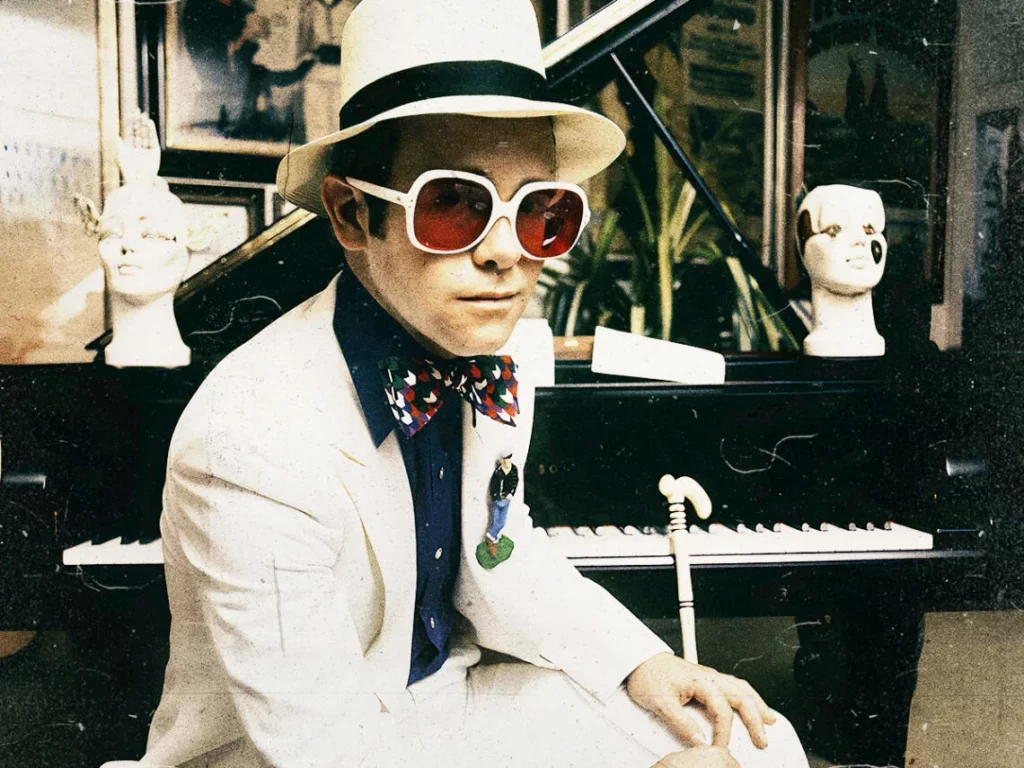
In life, sometimes we listen to music, and even in the most intentional listening, some songs simply
become musical snapshots, while others become sacred. “Tiny Dancer” is gospel.
When Elton John and Bernie Taupin unleashed “Tiny Dancer” into the blustery landscape of 1971, it
wasn’t an instant commercial success story. The song was long, and completely devoid of a traditional,
radio-friendly hook. Yet, over five decades later, this sprawling six-minute odyssey has transformed into
a secular scripture. It’s become a masterclass in collective identity and melodic magic. How did a slow-
burning ballad about a California ballet dancer become the ultimate anthem of social synergy? The only
correct answer is its poetic construction and its power to pull us into a shared, beautiful belonging.
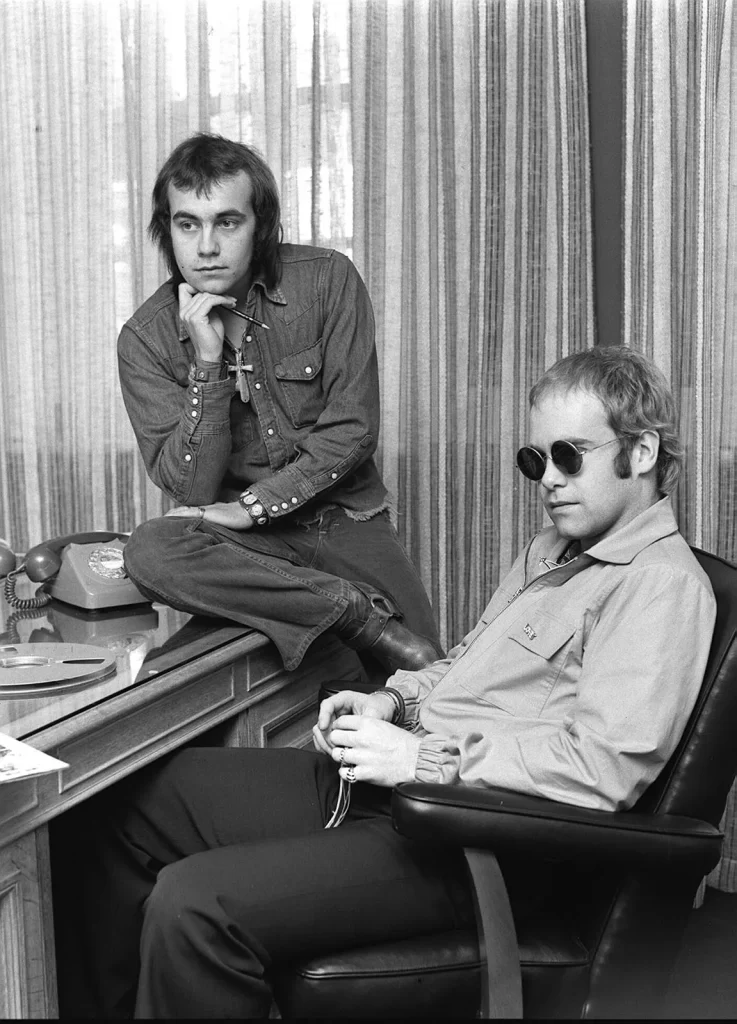
In looking to understand the visceral velocity of “Tiny Dancer,” we have to first map the masterful way
the mechanics of the song work and celebrate Bernie Taupin’s lyricism. The song doesn’t just tell a story;
it paints a panorama of Southern California’s sun-drenched, psychedelic pulse. It captures a specific
romantic rush toward the American West, where the dust of old lives could be washed away in the tinted
waves of the Pacific, and the dream of living in the promenade of blue jean baptisms.
Taupin’s songwriting has a knack for rhythmic architecture right from the opening stanzas. The way he
sequences lyrics and alliteration evokes dreamscapes. Especially in this song, where there is an immediate
portrait of breezy, laid-back lawlessness. Taupin’s words thrive in a delicate density of intentional
imagery, creating a cadence that mirrors the movements of the song’s tiny dancer herself. He doesn’t just
rely on casual rhyming; he adopts a ritualism of rhythm. The language of the song, whether it’s a Blue
Jean Baby or an LA Lady, breathes with the laziness of a hot midsummer afternoon, where time slows
down just enough for our souls to take notice of their own contours.
The piano, fiercely guided by Elton’s brilliant, biting bars, builds a rhythmic runway. Along with a
cascading crescendo, listeners become suspended in a state of perpetual, prayerful preparation. For the
musicians out there, as the song descends from its opening C major chord, it doesn’t plunge; it drifts.
Elton has a style where his hands treat the piano not as a percussion instrument but as a pendulum,
gracefully swinging between the intimate silence of a bedroom and the immense acoustics of a stadium.
“Tiny Dancer” has the distinction of being one of those songs that serves as a public anthem but lives as a
private confession. The verses are incredibly quiet, bordering on voyeuristic, inviting listeners into a
sanctuary of solitary observation. It’s the complete anatomy of introspection. Everything about this song
conjures visions of moments in our lives when the applause evaporates, parties collapse, and all we have
left is the cold and clean light of dawn.
The “music man” in the story becomes a secular savior, a transient prophet whose melodies offer a brief
reprieve from the hand-to-mouth hunger of human existence, protecting us all from our spiritual longings.
Every listener is forced to ask themselves: What’s the music saying to me when the rest of the world is
screaming? The introspective engine of the song runs on this profound sense of vulnerability. It explores
the delicate dichotomy between the public performer and the private seeker. As the piano pulse quickens,
it mimics the accelerating heartbeat of someone waking up with profound realization. Proving that our
individual griefs and solitary joys are not as isolated as we believe them to be.
To stand in a crowded room when the first piano chords of “Tiny Dancer” pierce the air is to witness a
quiet, collective conversion. It’s a work of art that doesn’t just entertain; it uncovers the hidden, heavy
chambers of our most introspective emotions. Every melody moves like a gentle interrogator, prompting
us to peer into our own private histories of longing, loneliness, and love.
As the verse winds its way through the shadows of the backlit rooms and highway headlights, it gathers
our individual isolation. And as we find the bridge, there appears a somatic shift where the strings swell,
the pedal steel sighs, and Elton’s voice ascends. The chorus has a chemistry that takes immediate hold.
We find sanctuary in strangers, regardless of differing political views, pasts, or parallel lives; we lock
eyes and sing as a unified spirit.
For the brief duration of that chorus:
“Hold me closer, tiny dancer
Count the headlights on the highway
Lay me down in sheets of linen
You had a busy day today”
The collective arbitrary armour that we wear to protect us in a cold world completely collapses. We’re no
longer disparate bodies drifting through life; we become co-conspirators in a grand and fleeting
fellowship. It provides us all a temporary truce with reality, proving that melody can make allies out of
the most bitter adversaries, and intimate friends out of absolute strangers.
This tune has the viral vitality of a timeless confession of art. That may lead you to look at this song and
ask the question, Why does this track dominate every digital space, late-night car rides, and sing-alongs
everywhere in our contemporary culture, creating moments of pure peace and beauty? It’s because it
offers an authentic emotional release in an era saturated with algorithms instead of experience. There is a slow burn to satisfaction. And in a digital world, “Tiny Dancer” demands a deeper dedication. It never
rushes its revelation. It lingers in the verses, building beautiful tension, letting the anticipation pool like
rainwater until the dam finally breaks. When the evangelical-tinted chorus finally drops, it delivers a rush
that is unmistakable. The shared human experience is undeniable, and the texture of euphoria can’t be
replicated by anything but human breath.
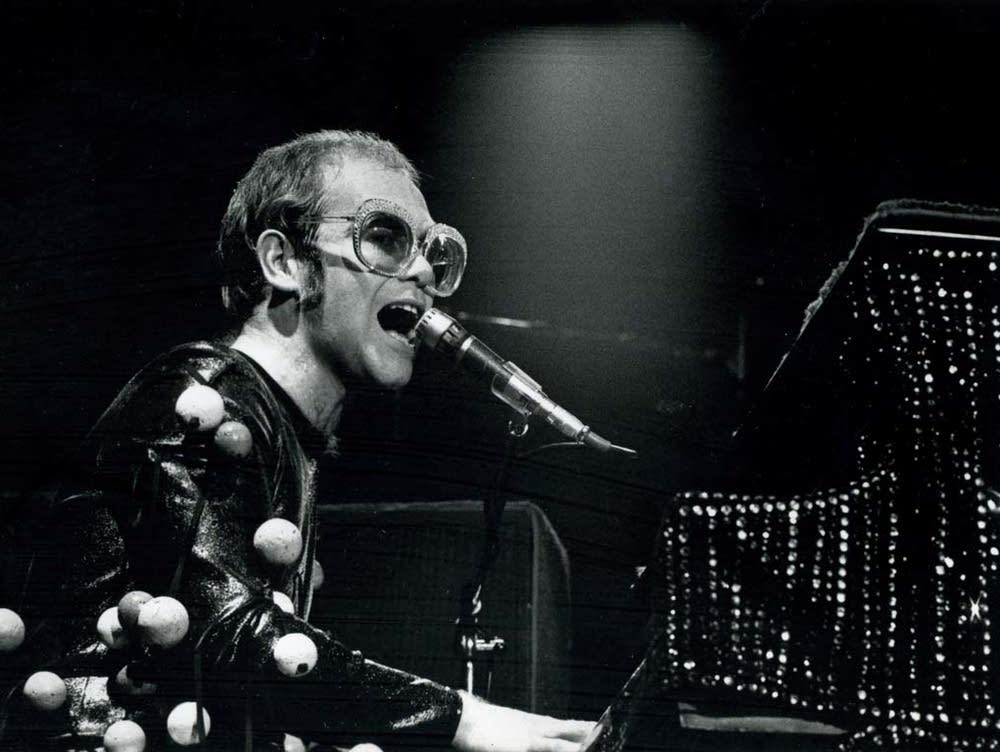
Ultimately, “Tiny Dancer” survives because it is a song about the survival of sweetness in a cynical
world. It’s an everlasting echo. It tells us that despite the madness across the water, despite the exhaustion
of the highway and the desperation of the streets, there is still a dancer spinning in the shadows, still a
melody worth holding closer. The song pays homage to the timeless human ritual of affirming that voices
and hearts woven together are louder than any silence that threatens to separate us.
Sometimes we all need a reminder that we aren’t just isolated individuals scrolling through existence;
we’re a collective chorus that finds strength in singing our way home, finding our baptism in belonging.
I’m Music Magazine Music Journalist Jonathan Faia
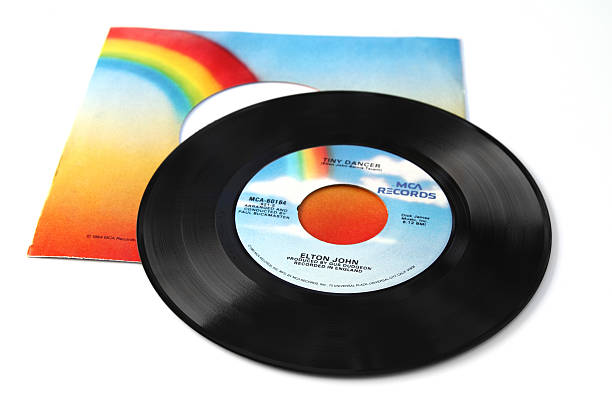
For more Elton John, you can find him here:
Official Website
https://www.eltonjohn.com/
All-in-One Link Directory
https://linktr.ee/eltonjohn
Official Store
https://store.eltonjohn.com/
Instagram
https://www.instagram.com/eltonjohn/
TikTok
https://www.tiktok.com/@eltonjohn
X (formerly Twitter)
https://x.com/eltonofficial