The neon glow of the sign was visible from at least three blocks away. A brilliant, humming beacon of cherry red and sunshine yellow cutting through the heavy dusk. To the uninitiated, it was just a retail giant, a corporate monolith of music. But to those of us who carried an ache in our chests that only a lyric could soothe, Tower Records wasn’t a store. It was a cathedral of the forgotten. It was a time machine. It was home.
Walking through that glass doors meant leaving the sharp edges of the outside world behind. Inside, the air always smelled of stale coffee, cardboard, and the faint, sweet incense of new vinyl. It was a symphony of beautiful chaos. The rhythmic, percussive clatter of plastic jewel cases flipped through in the CD bins, the low, amniotic thud of whatever the clerk was spinning on the house system, and the hushed murmurs of late-night browsers drifting like ghosts between the aisles. Tower Records created the architecture of belonging.
For me, Tower Records was the only place that offered a cure for a specific kind of teenage loneliness. The kind that makes you feel invisible, a ghost haunting your own life. Inside those walls, isolation didn’t feel like a prison; it felt like a calling. No loneliness, just an opportunity to be part of a silent, beautiful congregation.
There was a profound, almost prayerful peace to be found in the infinite rows. You could lose yourself for hours in the labyrinth of the bins, letting the world outside dissolve. Your fingers would dance across the plastic dividers, Aerosmith to Aztek Camera, Coltrane to The Cure as you spent the night searching for a melody to stitch your broken pieces back together. It was a tactile, sacred ritual. Every album cover was a stained-glass window into someone else’s soul, a sonic promise that out there, in the dark, there were people who were just like you.
Tower Records began as a small, almost accidental experiment in Sacramento and grew into one of the most influential music retailers in the world before collapsing under the weight of industry change.
Tower Records traces its roots to 1960, when founder Russ Solomon opened the first official store on Broadway in Sacramento, naming it after his father’s Tower Drugstore and the neighboring Tower Theatre. Solomon had already been selling used jukebox records from the drugstore counter as early as the 1940s, but the 1960 shop marked the true beginning of the brand’s identity as a dedicated music retailer.
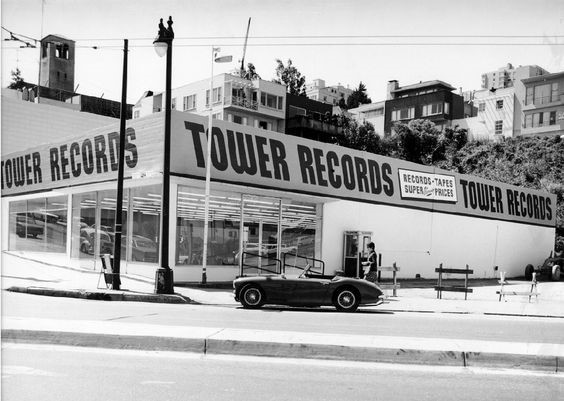
Through the 1960s and ’70s, Tower expanded at a frantic pace. Its early success came from a simple formula: deep inventory, long hours, knowledgeable staff, and a culture that treated music as community, not commerce. By 1968, Tower opened its first major out-of-town store in San Francisco, and by the 1970s it had begun its international expansion, including a thriving Japanese division that remains active today.
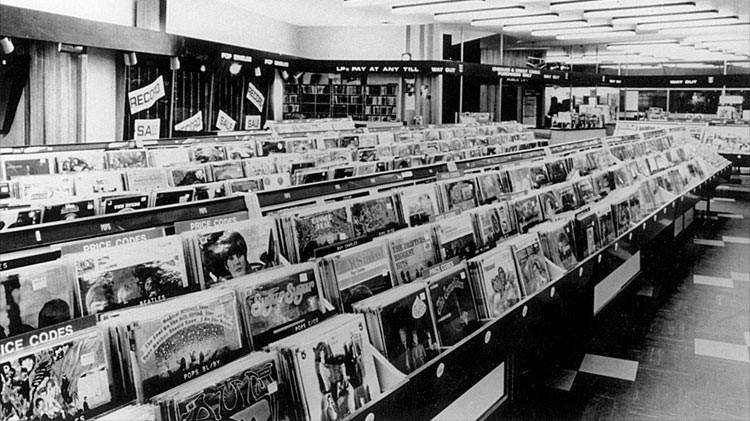
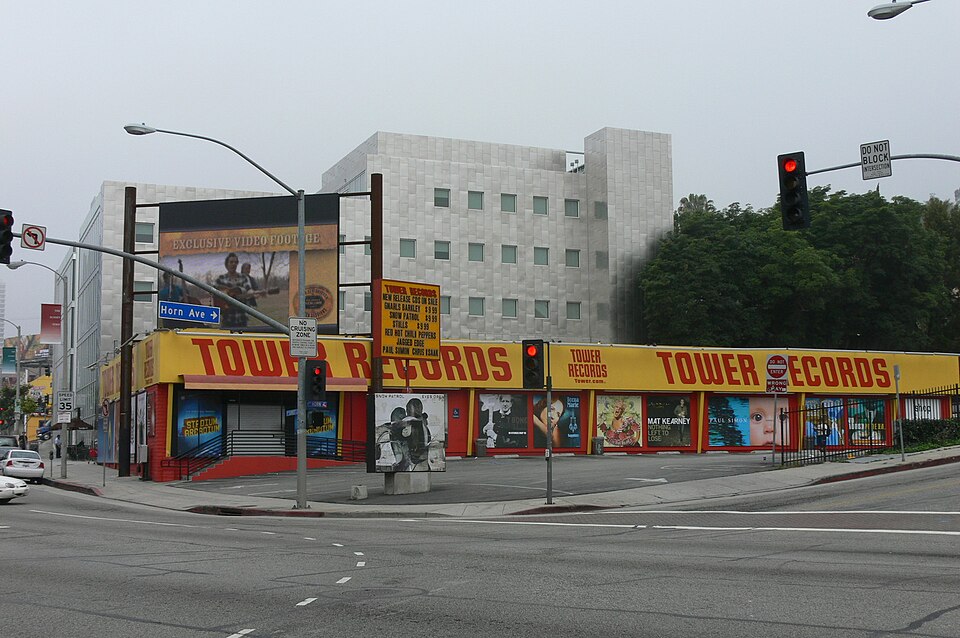
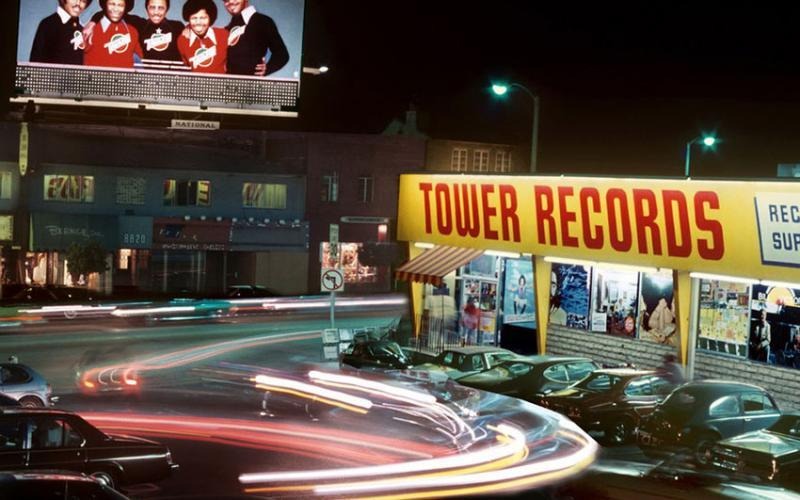
The chain reached iconic status in the 1980s and ’90s. Stores like the Sunset Strip flagship in West Hollywood and the Broadway location in New York City became cultural landmarks and hangouts for musicians, tastemakers, and fans who could spend hours browsing aisles of vinyl, cassettes, and later CDs. At its peak, Tower operated nearly 200 stores across 21 U.S. states and generated more than $1 billion annually, embodying the golden age of physical music retail.
While the music was the heartbeat of Tower, they also birthed a thousand lives in print. Their book section was tucked away like a dusty, rebellious library that truly saved so many of us. If the records gave me a voice, the pages gave me an escape. Every page I read beneath those fluorescent, flickering lights allowed me to live lives I could never have imagined before I had even properly started my own. From paperbacks by Kerouac and Ginsberg, your eyes could race across prose that felt like breathless, midnight jazz. It saved every one of us from the amber in our own heads, allowing us to hitchhike down the dusty American dream, fueled by poetry, madness, and this internal desire to let yourself burn like a Roman candle. It was the perfect environment to satisfy a need for creativity and enlightenment, while satisfying your rebellious spirit with the jagged manifestos by the likes of Punk raconteurs like Henry Rollins. Through his fierce, uncompromising words, the raw, sweaty, and dangerous world of punk rock bled off the page. I learned about the discipline of pain, the beauty of righteous anger, and how to build armor out of your own vulnerabilities. Rollins didn’t just write; he grabbed you by the collar and demanded that you stand tall against the weight of the world.
But the early 2000s brought a perfect storm: the rise of digital music, big-box competition, and mounting debt. Tower filed for bankruptcy in 2006 and liquidated its U.S. stores later that year, ending an era for generations of music lovers. Tower Records eventually succumbed to the relentless march of time and technology, its bright neon signs flickering out one by one, leaving behind a world of clinical algorithms, cold glass screens, and silent streaming. For years, it felt as though the soul of music appreciation had been digitized, flattened, and stripped of all its magic. The brand lived on in Japan, and in 2020, Tower Records was revived as an online retailer with hopeful plans for future physical locations.
The echoes in the digital silence have sparked a new dawn, though. History, much like a great record, has a way of spinning back around. As we all know, a record store’s magic wasn’t about transactions or sales; it was about the transformation.
Today, we’re witnessing a quiet, beautiful revolution. Across the globe, independent record stores are rising from the digital ashes, drawing in a whole new generation who are weary of the sterile perfection of playlists. People who are stepping away from their phones and into the dusty, tactile wonderland of physical media. They’re discovering the heavy, grounding weight of a vinyl record, the thrill of the hunt, and the intoxicating smell of printed ink. Record stores are teaching a whole new generation what we always knew: that music is meant to be held, not just heard.
The physical towers of red and yellow may be gone, but their ghost still hums in every indie shop with a turntable spinning in the corner. For those of us who spent our youth worshiping at the altar of Tower, and for the young people of today finding their own sanctuaries in local shops, the truth remains unchanged. We remember the safe harbor it provided when the storm of growing up was too loud. It remains the timeless reminder that within the grooves of a record or the pages of a book, you are never truly alone.
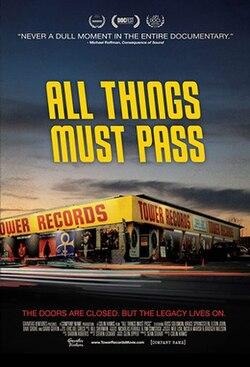
If you are looking to relive more Tower Records nostalgia you can find it in the definitive Tower Records documentary, All Things Must Pass streaming now.
I’m Music Magazine Music Journalist Jon Faia
You can also fine them online at https://tower.com/