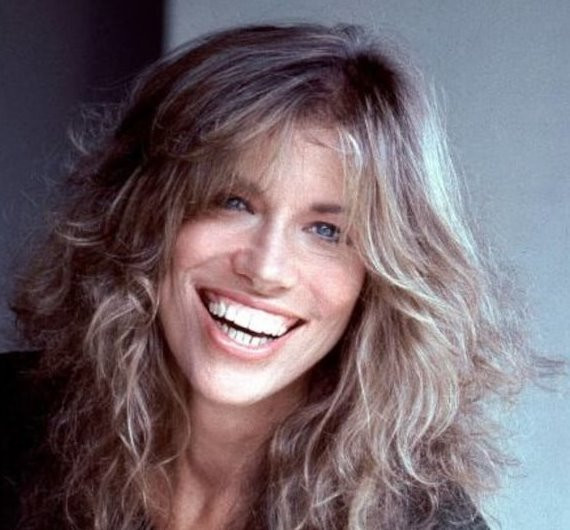
Some songs don’t simply play; they arrive. They slip into the cultural bloodstream like a revelation, humming with a truth women have carried quietly for generations. Carly Simon’s “You’re So Vain” is one of those rare creations. An anthem forged from wit, woundedness, and the incandescent clarity that comes when a woman finally sees a man for who he is, and herself for who she has become.
It begins with a line that feels like a camera flash: “You walked into the party like you were walking onto a yacht.” A portrait, a dagger, a wink. In twelve words, Simon sketches a man so inflated by his own mythology that he practically floats. But beneath the humor lies something more profound: a woman reclaiming her voice in a world that often demanded her silence.
Simon wrote the song in the early 1970s, a time when women in music were expected to be ethereal, grateful, and heartbreakingly quiet. Instead, she delivered a track that felt like a diary entry sung through a megaphone; intimate and unafraid. It was the alchemy of turning pain into power.
What makes “You’re So Vain” revolutionary isn’t the mystery of who it’s about; it’s the audacity of a woman naming her experience without softening it for male comfort. She doesn’t beg, plead, or crumble. She observes. She narrates. She tells the truth with a poet’s restraint and a warrior’s precision for vengeance.
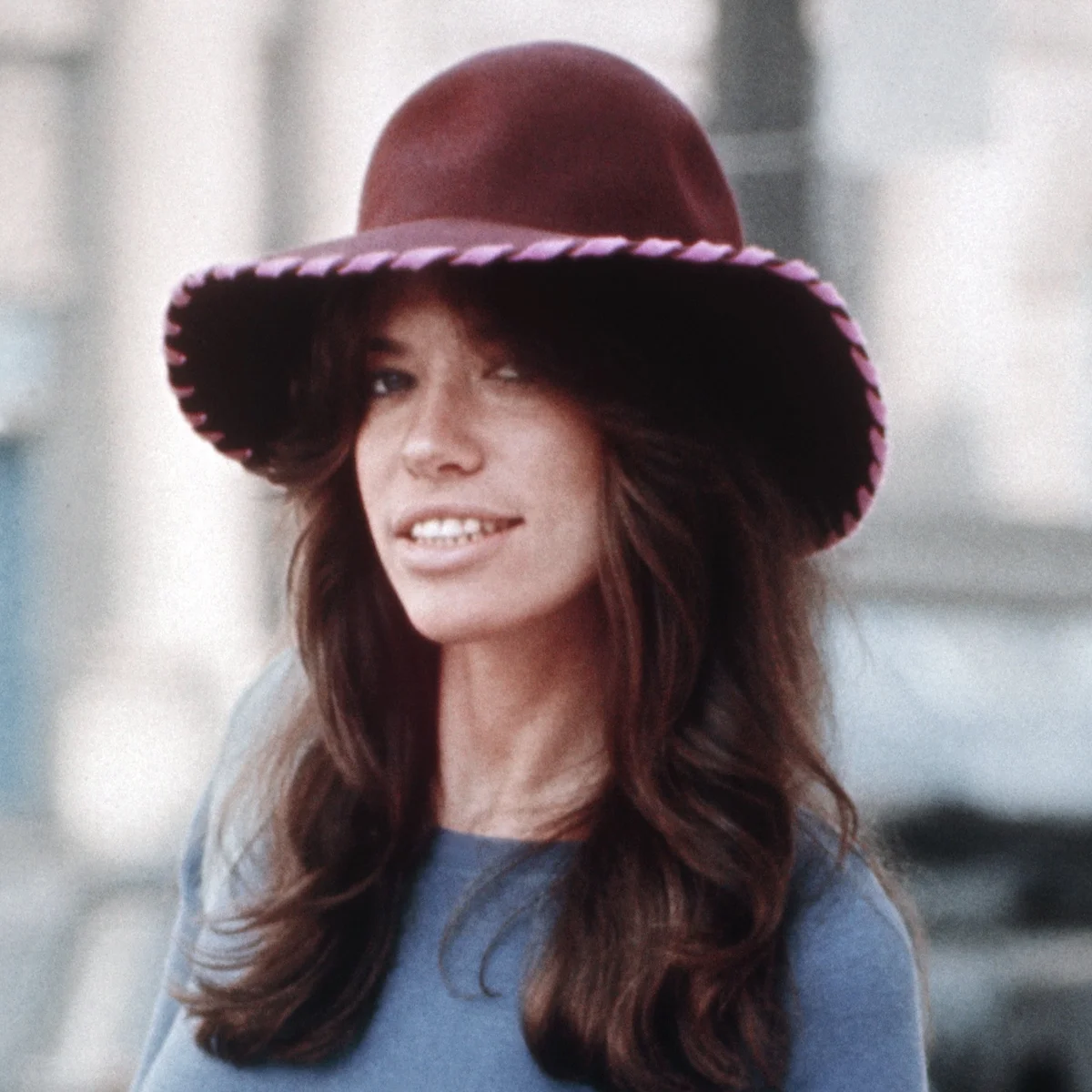
The song becomes a kind of emotional struggle, using the weight of the male ego against itself. Every lyric is a pivot, a reclaiming, a refusal to be overshadowed by the very men who once believed they were the sun.
The chorus is where magic crystallizes. A battle cry that women don’t just sing, they exhale it.
“You’re so vain, you probably think this song is about you” is a line that feels like liberation disguised as a taunt. A release of oppression. A communal shrug shared across bedrooms, cars, karaoke bars, and heartbreaks. It’s the sound of women recognizing their own strength in the act of naming what once diminished them.
But the song’s power doesn’t stop at recognition. It becomes a ritual.
There is something almost sacred about the way women sing “You’re So Vain” together, with ever-rising voices and hearts syncing. It’s not just a chorus; it’s a spell. A moment where women who have carried similar stories, and similar disappointments, finding themselves woven into a single, defiant harmony.
It’s the kind of song that makes best friends roll down car windows at midnight and shout the lyrics into the warm summer air. The kind that turns bedrooms into confessionals, kitchens into stages, heartbreak into communion. In those moments, the song becomes a bridge linking women across generations, with the quiet ache of being underestimated.
This is the catharsis Carly Simon gifted the world. A sisterhood forged in melody, a shared exhale, a collective declaration that says, without apology, “I’m a woman, and I’m powerful”.
For decades, listeners have been obsessed with the song’s subject. It’s a mystery that has become a movement. Was it Warren Beatty? Mick Jagger? A constellation of men stitched together into one archetype of self‑importance? The guessing game became a cultural sport, but the truth is almost irrelevant.
The song’s power lies in its universality. Every woman has known that man, the one who believed he was the main character in every room, every relationship, and in every moment. Simon’s genius was transforming him from a source of frustration into a symbol, a mirror, and a muse for empowerment.
By refusing to name him, she made the song belong to everyone.
Half a century later, “You’re So Vain” still feels like a spark struck against steel. It’s not loud, not aggressive, not drenched in the neon glow of modern empowerment anthems. Its strength is quieter, more cunning, more enduring. The song’s legacy is written in fire and wit. It’s empowerment that comes from clarity. The empowerment that comes from finally telling the story in your own voice. Simon didn’t shout. She didn’t roar. She simply told the truth, and the world leaned in.
What Carly Simon sparked in 1972 didn’t end with her final chorus; it rippled outward, threading itself through the voices of women who would come decades later. Artists who learned that power doesn’t always roar: sometimes it smirks. Sometimes it tells the truth with a melody so deceptively soft it becomes impossible to ignore.
You can hear Simon’s lineage in the way Beyoncé turns self-knowledge into sovereignty, in how Taylor Swift reshapes heartbreak into authorship, and in how Olivia Rodrigo wields vulnerability like a blade wrapped in lavender velvet. These women, though from different eras, different genres, different wounds, carry the same inheritance: the right to narrate their own lives without apology.
Carly Simon didn’t just write a song; she carved out space. A room where women could speak plainly and ferociously. A room where armor and honesty became liberation. The act of naming a man’s vanity became an act of reclaiming one’s own worth.
And that room still remains open. Every time a woman sings “You’re So Vain” at full volume, windows down, and heart open, she steps into that lineage. She joins a chorus that stretches from the smoky folk clubs of the 70s to the glow of today’s arenas. She becomes part of a tradition of women who refuse to shrink, be rewritten, or hand their stories to anyone else.
The song endures because empowerment isn’t always loud. Sometimes it’s a knowing smile or a lyric that lands like truth finally spoken. Sometimes it’s a woman recognizing her own reflection and realizing she no longer needs permission to shine.
“You’re So Vain” was the spark that ignited the artists of today to build a fire. Together, they form a constellation of female voices that refuse to dim.
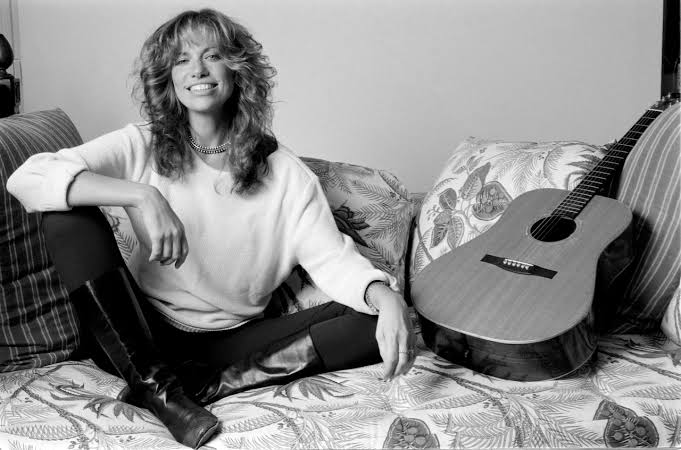
I’m Music Magazine Music Journalist Jon Faia
You can find more Carly Simon at:
Official Website
YouTube Channel
https://www.youtube.com/@carlysimon
TikTok
@carlysimonofficial
facebook.com/CarlySimonOfficial
Twitter / X
Social media mentions that tie to the article when posting-
#CarlySimon
#YoureSoVain
#FemaleEmpowerment
#WomenInMusic
#EmpowermentAnthem
#SingItLoud
#SisterhoodSounds
#IconicSongs
@CarlySimonHQ