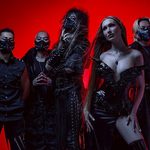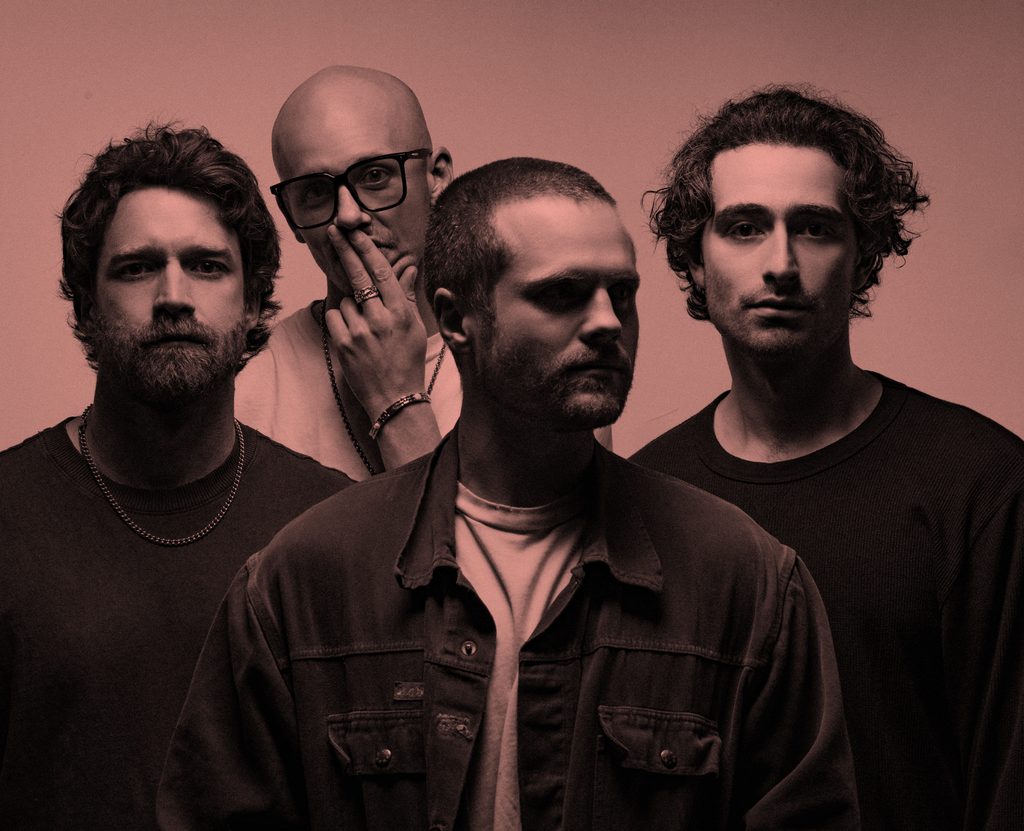
Dead Poet Society has risen back from the dead (again)!
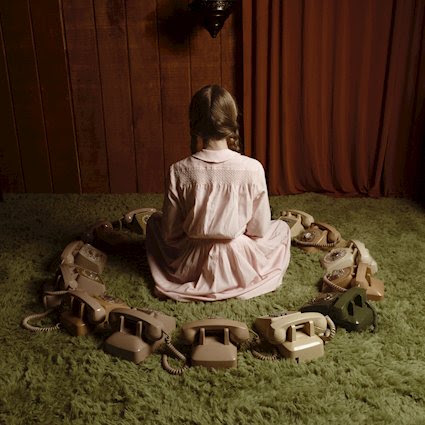
And today, their musical talent metamorphosed into Monarch, a wild, scorching, dark alternative rock butterfly of an album.
So, let’s break it down!
Track #1: “Hollywood On Fire”
“Hollywood On Fire” was so addictive that I was screaming in ecstatic, maniacal laughter on the inside.
The song begins with a 50s vintage-style soprano as frontman Jack Underkofler croons, “We set Hollywood on fire / ‘Cause we wanted to.”
Then BOOM!
The guitars, bass, keyboard and drums pound through the audio waves, soon accompanied by Underkofler’s haunting lyrics.
This piece is simultaneously gritty, raw and slightly operatic, experimenting with tempo and vocal tone in ways that are very hard to pull off in rock music. Ten out of 10.
Track #2: “Roach”
If you’re a fan of alt musician Grandson, you’re going to love DPS’s “Roach.”
Will Goodroad’s immediate, rhythmic drum beat at the beginning was a great introduction to an intense track. In this song about relationships destroyed by addiction, Underkofler raps to a deep-throated bass and a droning guitar.
The ending is especially impressive: A quick, subtle batch of guitar strums partially fade to the background behind the lead droning guitar. But they both harmonize with each other, holding equal importance at the song’s end.
Track #3: “Die If You Don’t”
To call “Die If You Don’t” a heartbreak piece is putting it lightly.
Underkofler’s haunting, echoing vocal range sounds like a broken letter from a ghost who once lived and loved, encapsulating the death we feel inside after someone we deeply care about leaves us behind.
Track #4: “Sinner Systems”
Possessing a similar tempo and tone to “Roach,” Underkofler harmonizes about intense sexual exploration in “Sinner Systems.”
An unexpected moment in this piece is the last minute-and-a-half, where the lyrics and guitar lull into high-pitched, quivering, somber keyboard synths. As though the initial dopamine rush of sex is suddenly fading away.
And this synth-filled dead air is the perfect transition for the next piece.
Track #5: “Lost”
The songwriting in Track #5, “Lost,” is just as top-tier as this melody’s classic rock style. Especially in the second verse, where Underkofler vocalizes, “While everybody finds their place / I’ll be here in outer space.”
Isolation is painful and often feels like the only option when we can’t seem to relate to the world around us. “Lost” is a reminder that we’re not alone.
Track #6: “Cold”
Ironic how fiery the bass and guitar licks are, even though the song title is “Cold.” And it works.
In the beginning, Dylan Brenner’s bass simmers and burns into the speakers, searing through the first verse and the bridge. The electric guitar scorches through the song, as well. And both instruments add grit to Underkofler’s soprano as he belts about self-isolation. Ten out of 10.
Track #7: “Psalm 136”
Harmonizing about the resulting pain and faith loss after a loved one’s death, Underkofler’s range reaches impossible levels in the chorus for “Psalm 136.”
These two lines are especially powerful and where his pitch rises the highest: “Forever alone forever be numb / Is that what you want?”
Another stand-out moment involves the last few seconds, where the music fades away, leaving his voice echoing in the silence, further emphasizing the crippling loneliness after losing someone you love.
We should also appreciate the harsh, rhythmic guitar riff in the intro and the first and second verses, amplifying the harsh reality of the song’s morbid scenario.
Track #8: “Dead On The Inside”
In the chorus, “Dead On The Inside” sounds like a mournful version of The 5th Dimension’s “Let The Sunshine In,” holding a similar tempo and tone to the 60s track.
However, what makes this song stand out is the bridge: “Don’t you wish you could start all over?” Here, the darkly upbeat tempo suddenly slows to a pause, with choir-like voices repeating the line, until the tempo steadily speeds up again once it circles back to the chorus.
Whew! Now that’s what we call production!
Track #9: “Miami For The Weekend”
Dead Poet Society experiments with the classic rock style once again with “Miami For The Weekend.”
This ninth track starts out as a fun, sexy harmony about a hot woman on a weekend until it descends into wild songwriting about a situation involving a gun.
The ending especially caught my attention: The upbeat rock guitars, Brenner’s bass and Underkofler’s vocals lull and fade into the shadows, into the next song.
Track #10: “Get Hot”
My favorite part of this piece is the end of the second verse: “Ohhh, I wanna make the plane go-ohhhh.”
Then we get the casual, faint drum hits toward the end, making the listener think that the song is relaxed and ready to give in to the next song, until it speeds back to the chorus with its original crazed tempo and tone. A similar methodical technique that DPS used in “Dead On The Inside.”
Track #11: “The Park”
Are you ready to feel haunted? Are you ready to wonder what the hell is going on? Listen to “The Park.”
Accompanied by a warped guitar and choir-esque backing vocals, Underkofler tests his range once again in this second-to-last piece, shout-singing about staring death right in the face. The songwriting here is rich with horrific imagery such as, “He had cuts under his eyes / Peering in from every window.”
What I noticed, as well, was the last minute-and-a-half, where we hear the backing vocals’ haunting distortion and the deep, rhythmic bass.
As a horror buff who struggles with the concept of death, this track both impresses and terrifies me. Ten out of 10.
Track #12: “The Art of Suffering”
The last track of the record, “The Art of Suffering,” seems to sum up all of the previous songs, alluding to the idea that life is filled with darkness, especially with mental health struggles, so we might as well embrace it.
“The Art of Suffering” is a saddening, beautiful way to end this album. Compared to the previous eleven songs, this one is soft but intense at the same time, emphasizing a mournful but calm acceptance of life’s pain.
And we’re mourning the end of this record because we don’t want it to end.
Conclusion
My first Dead Poet Society experience was two years ago, when I watched their music video for their 2024 piece, “I hope you hate me.,” featuring the breakdancer, Bryan “Chibi” Gaynor (aka This Robot Cannot Human). After that, I knew DPS was something special.
And it’s true, especially after listening to Monarch. It’s a whirlwind of emotions, making you want to thrash in the moshpit and, at the same time, sit in a dark room, confronting your deepest fears.
An album that can make you feel these emotions, simultaneously and seamlessly, is an album worth buying and listening to on repeat. So, join us in the Dead Poet Society cult. We have refreshments.
I’m Music Magazine Music Magazine Music Journalist Sydney James
Connect with Dead Poet Society online:
Facebook.com/
Order the new album, Monarch here – https://deadpoetsociety.lnk.to/Monarch
]]]]